
How Social Media Helps Fashion Designers Grow
Fashion social media has become a powerful growth engine for designers, with U.S. retail social commerce expected to reach $80 billion by 2025. Nearly 8 in 10 U.S. online shoppers use social media in their buying trip, and the chance is clear. We’ve seen how platforms enable designers to build visibility and connect with customers through strategic fashion social media marketing. This piece is about how to promote a clothing brand on social media, from partnering with fashion social media influencers to running targeted fashion social media campaigns that convert followers into loyal customers.
Building Brand Visibility and Recognition
Social media platforms have altered the map of how designers build recognition in the fashion world. The traditional barriers that once controlled who could showcase their work have crumbled. Designers can now reach audiences without intermediaries.
Reaching Global Audiences Without Traditional Gatekeepers
Fashion magazines and runway shows used to determine which designers gained visibility. Social media changed this dynamic. Designers can present collections to consumers without intermediaries. Brands can now share catwalk moments through photo platforms like Instagram in real-time. They have greater control relative to traditional publications.
The platforms have created a more inclusive environment. Designers showcase work to global audiences without physical location constraints. Instagram hosts over 2 billion monthly active users globally. Millennials and older Gen Z account for more than 31% of the total audience. These users demonstrate high purchasing power and sustained engagement. Marketers reported using Instagram for global social advertising in 2024 at 79%, surpassing LinkedIn, YouTube and TikTok.
Emerging fashion brands can now compete with industry giants on more equal footing. The digital world eliminates dependence on costly magazine advertisements or runway shows. Designers utilize user-generated content and authentic storytelling to reach vast audiences. Street photography and fashion blogs provide access to a wider range of content and encourage greater diversity of styles.
Creating a Consistent Visual Identity
Brand recognition starts with visual consistency across all touchpoints. Consumers see between 6,000 to 10,000 ads daily. A cohesive brand style becomes necessary to stand out. Fashion designers need to establish clear visual guidelines that define their brand’s look and feel.
A complete style guide serves as the reference point for all graphic elements associated with your brand. Logo guidelines, color palettes, typography choices, iconography, photography requirements and graphic design best practices fall under this. Customers recognize your brand across every platform when you maintain consistency in these elements.
Your color palette does more than create esthetic appeal. Consistent colors tell customers where to focus and what information matters. Font choices create clear hierarchies that guide viewers through content. H1 headings command attention while body text stays readable. Visual consistency signals reliability and attention to detail. Inconsistencies create doubt about your brand.
Platforms like Instagram, TikTok and Pinterest each have unique visual requirements. Your brand needs to remain recognizable across all channels. A visual identity system functions as a complete playbook with reusable components, pattern collections and practical examples. You can maintain cohesive brand identity while adapting content for different platforms through this systematic approach.
Showcasing Design Process and Behind-the-Scenes Content
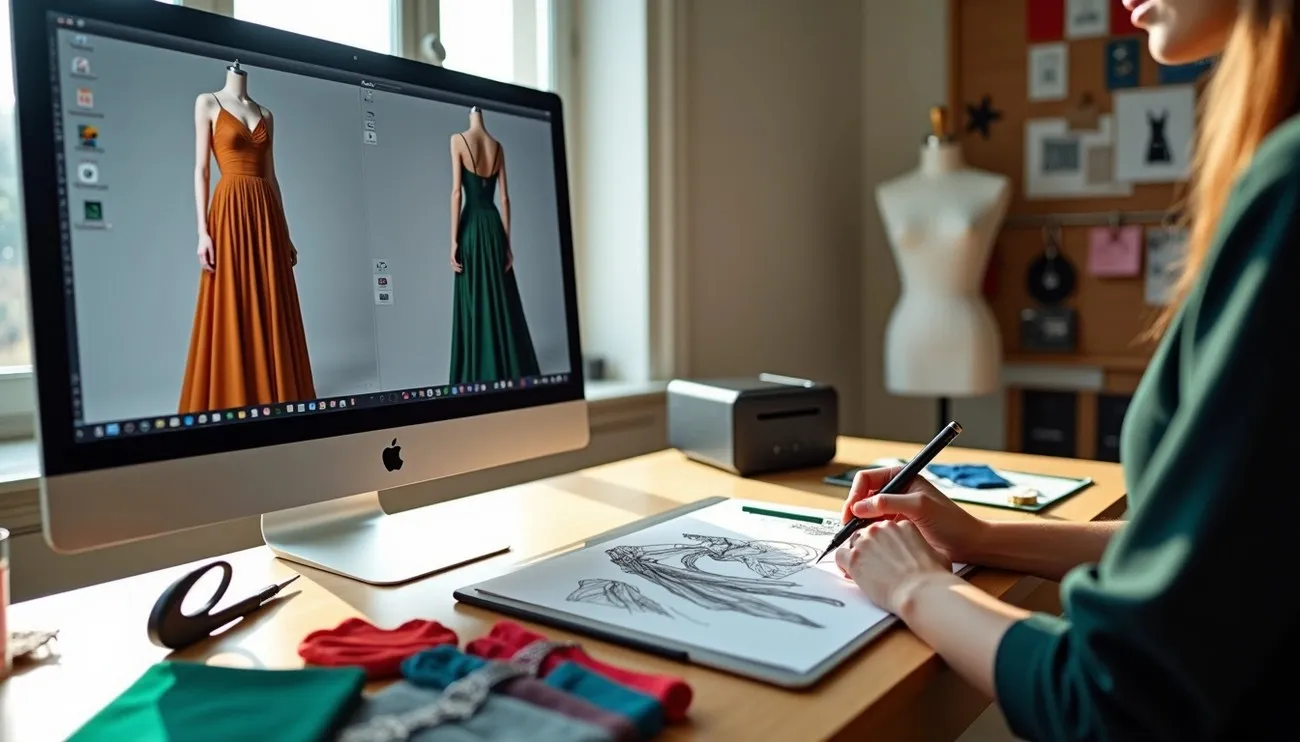
Behind-the-scenes content humanizes brands and creates deeper connections with audiences. Viewers can see beyond the final product through this content. It provides an intimate view of the creative process. You show the effort and passion behind each project when you document preparation for photo shoots, design creation or creative team interactions.
Major fashion brands like Gucci and Dior post behind-the-scenes content from photo shoots and runway shows. These posts reveal both the elegance of the process and the challenges that occur behind the scenes. They create a more complete narrative that appeals to viewers.
Your design journey from first sketches to final product demonstrates attention to detail and passion. Perceptions of authenticity and commitment among your audience strengthen through this transparency. Behind-the-scenes fashion videos generate more engagement due to their authentic and exclusive nature. You increase interaction and reach by a lot when you share these moments on Instagram, YouTube and TikTok.
The goal isn’t perfection but showing the reality of your creative process. Your creative team discussing their work adds an extra layer of authenticity and excitement. This builds trust with your audience.
Connecting Directly with Target Customers
Direct access to your customers transforms how you develop and refine your designs. The average person spends about 2 hours and 24 minutes daily on social platforms. This creates a chance to understand what they want.
Understanding Customer Preferences Through Social Listening
Social listening monitors online conversations to gain practical insights into consumer opinions, behaviors, and trends. You’re tuning into what people wear, search, post, and interact with across Instagram, TikTok, Pinterest, and other platforms.
This approach is different from simple social media monitoring. Monitoring counts mentions and engagement. Social listening analyzes sentiment, context, and intent. It answers questions about what excites consumers, which esthetics gain traction, and what complaints exist about current trends or product fit.
Fashion brands like Zara monitor digital platforms to identify early signs of rising trends. They analyze emerging hashtags, search patterns, influencer content gaining rapid engagement, and viral esthetics in fashion communities. Instagram and TikTok function as real-time mood boards. You can observe how street style, pop culture, and online personalities influence priorities.
Social listening enables proactive trend detection. It helps you identify microtrends before they peak and position products ahead of the curve. You can confirm products through real-time feedback on existing collections and avoid design or inventory missteps that get pricey. Sentiment analysis gages emotional responses to collections, campaigns, and collaborations.
Engaging in Real-Time Conversations
Social platforms provide a unique space for instant audience engagement and facilitate direct and interactive communication. Two-way conversations build stronger relationships and provide immediate feedback on products and services.
This real-time interaction allows you to personalize outreach and address customer concerns. You make evidence-based decisions based on consumer priorities. Responding to queries and gathering insights nurtures loyalty. It creates authentic connections and refines strategies.
People accept recommendations and influence from socially credible and relevant sources like prominent friends and family members rather than celebrities and fashion experts. Trustworthy relations, strong social ties, and legitimate content become major factors for buying decisions. Social trust and the honesty of sources matter when creating recommendations that help their close social circle in fashion brand buying.
Building a Loyal Community Around Your Designs
Gen Z consumers want to connect with others who share their values and find their tribe. A 2024 survey by Edelman found that 84 percent of consumers across all age groups said they need to share values with a brand to buy it.
Building a community goes beyond gathering followers. You must understand what your audience values, what they stand for, and what they care about. Brands that succeed show their values in all they do.
Listen to your community and respond to feedback. Act on it and encourage participation. Engaging with your audience shows you value their input and are willing to evolve based on their needs. View your audience as more than customers. See them as your tribe and invite them into your world.
Brands that excel at community building enjoy superior engagement levels with their customer base. This translates into higher conversion rates. More than 75 percent of content about successful brands is user generated.
Using Fashion Social Media Marketing to Drive Sales
Social commerce revolutionizes browsing into buying within seconds. Goods worth $37 billion were purchased through social commerce channels in 2021, with projections reaching nearly $80 billion by 2025. This move creates revenue streams for designers who become skilled at platform-specific sales tools.
Social Commerce Features You Can Use
Shoppable posts on Instagram and Facebook eliminate friction between finding products and checkout. Instagram emerged as the leading platform where users buy fashion products. Platforms now offer features that let customers complete purchases without leaving the app. This creates a journey that takes seconds rather than days.
Live shopping events generate conversion rates approaching 30%, up to ten times higher than conventional e-commerce. You can showcase new collections while offering exclusive discounts during these livestreams. Countdown features create urgency. A two-hour live shopping event on TikTok brings in more than a week’s worth of sales at a flagship store.
Pinterest’s Shopping List feature saves shoppable product pins and notifies users when prices drop. TikTok Shopping allows you to sync product catalogs and create mini storefronts within videos and live streams. These integrated checkout experiences enable consumers to make purchases from content created by brand ambassadors.
Targeted Fashion Social Media Campaigns That Work
Fashion brands generate over $12 billion through social media campaigns each year. Campaign ROI varies by type. Gucci’s virtual sneaker campaign returned $5-$7 for every dollar spent. Levi’s sustainability campaign achieved $8-$12 returns.
Zara engaged Gen Z audiences with TikTok challenges like #ZaraHaul. They partnered with influencers to encourage users to showcase styling tips. Aerie’s #AerieREAL campaign invited customers to share unedited photos. This built authenticity through user-generated content while donating to charitable causes for every tagged post.
Platform-specific targeting tools enable precision in reaching receptive audience segments. Instagram’s visual-first nature suits product launches and behind-the-scenes content. Facebook’s advanced advertising tools excel at demographic targeting and retargeting cart abandoners.
Fashion Social Media Influencer Partnerships
Sixty-nine percent of consumers now trust influencers, friends and family over information from brands. This trust hierarchy explains why social channels drive purchase decisions. The fashion influencer marketing market was valued at approximately $6.8 billion in 2024 and is projected to grow at 33.8% through 2030.
Micro-influencers with smaller, engaged followings often provide better ROI than macro-influencers. Sixty-one percent of shoppers trust influencer recommendations as much as advice from friends or family. Partner with influencers whose style and values line up with your brand identity. Offer affiliate programs with unique discount codes to track conversions.
Growing Through Strategic Content and Trends
Content strategy separates thriving designers from those who struggle to gain traction. TikTok has turned this into an exact science, with 70% of its 1.2 billion users belonging to Gen Z. The platform’s trends like #BandageDress and #CoachDenim demonstrate how viral moments reshape consumer interest quickly.
Jumping on Viral Fashion Trends
Microtrends fueled by TikTok’s video format can rise in days and fade within weeks. What once lasted an entire season now disappears fast. Brands must respond in real-time rather than follow seasonal calendars. Burberry exemplifies this approach as one of the first brands to embrace Instagram for Video and maintains consistent content creation while feeling omnipresent yet exclusive.
Creating Platform-Specific Content
Brands that succeed avoid using the same approach everywhere. Instagram captures attention with visually stunning posts that showcase brand personality and behind-the-scenes content. TikTok’s ever-changing environment suits episodic content and tutorials. McKinsey utilizes LinkedIn for authority articles, whereas Starbucks uses Instagram to showcase brand esthetic and customer experiences. You need to line up with platform purpose and define what you want to achieve on each channel.
Mixing Educational and Inspirational Posts
Content that balances educating, inspiring and entertaining your audience substantially boosts engagement and brand loyalty. Educational content shares insights into your design process or styling tips. This adds value while enhancing authority. Inspirational content evokes emotion and drives aspiration. It encourages followers to visualize themselves in your designs.
Encouraging User-Generated Content
Ninety-two percent of consumers trust organic, user-generated content more than traditional advertising. Posts featuring UGC see up to a 70% increase in time spent on brand websites. ASOS launched the #AsSeenOnMe campaign and encouraged customers to photograph themselves wearing ASOS products. This resulted in significant sales increases. So brands engaging with UGC experience an average conversion rate increase of 4.5%.
Practical Steps to Promote a Clothing Brand on Social Media
Implementing fashion social media marketing requires methodical planning across platform selection, goal setting, content scheduling, and influencer partnerships.
Choosing the Right Platforms for Your Design Style
Platform selection determines campaign success. Instagram remains dominant for fashion discovery. Facebook research finds it’s where users buy fashion products actively. Four in ten Facebook users find fashion inspiration on the platform, targeting 18-34-year-old buyers.
Your industry influences platform fit. Visual fashion brands perform well on Instagram, Pinterest, and YouTube. Each platform serves distinct purposes. TikTok suits short-form video and trends, capturing Gen Z audiences. Pinterest functions as a visual search engine. 77% of weekly users find new brands through the app.
Setting Clear Goals and Tracking Performance
Business leaders view social media data as affecting priorities positively: building brand reputation (66%), understanding customers (65%), and improving competitive positioning (63%). Goals should follow the SMART framework: Specific, Measurable, Achievable, Relevant, and Time-bound.
Common goals include increasing brand awareness and driving website traffic. Each requires different KPIs. Brand awareness tracks followers, impressions, and reach. Lead generation monitors conversion rates and email sign-ups.
Planning Your Content Calendar
Content calendars prevent last-minute scrambling and maintain consistency across channels. They help you plan around fashion seasons and industry events while tracking performance by week or month.
Break planning into manageable chunks rather than scheduling an entire year upfront. Balance promotional and educational content while posting during peak audience activity times.
Collaborating with Micro and Macro Influencers
Micro-influencers (15,000-75,000 followers) deliver higher engagement rates within specific niches. Their audiences trust recommendations as informed opinions rather than celebrity endorsements. Macro-influencers (100,000+ followers) excel at driving brand awareness through broader reach.
Long-term partnerships outperform one-off posts. They shift perception from paid promotion to genuine endorsement. Hybrid payment models offering modest base fees plus performance commissions yield the most sustainable partnerships.
Conclusion
Social media has eliminated the barriers that once limited fashion designers to traditional gatekeepers. What we’ve covered here shows you can build global visibility, connect authentically with customers, and drive sales through strategic platform use.
Success doesn’t require massive budgets or celebrity endorsements. Choose platforms that match your design esthetic and create consistent visual content. Connect with your community in a genuine way. Partner with influencers whose values line up with yours and adapt quickly to trends.
The chance is clear: fashion designers who become skilled at these strategies turn followers into customers and customers into brand supporters.
FAQs
Q1. How does social media help fashion designers reach customers without traditional fashion media?
Social media platforms allow designers to showcase their collections directly to global audiences without relying on fashion magazines or runway shows. This direct access means designers can share their work in real-time, control their brand narrative, and compete with established brands regardless of their size or budget.
Q2. What type of content should fashion designers post to build brand recognition?
Designers should maintain a consistent visual identity across platforms while sharing a mix of content types. This includes behind-the-scenes glimpses of the design process, finished product showcases, educational styling tips, and inspirational posts. User-generated content from customers wearing your designs also builds authenticity and trust.
Q3. Which social media platforms work best for promoting a clothing brand?
Instagram remains the leading platform for fashion discovery and purchases, particularly among 18-34-year-olds. TikTok excels for reaching Gen Z audiences through short-form video and viral trends. Pinterest functions as a visual search engine where 77% of weekly users discover new brands. The best platform depends on your target audience and design esthetic.
Q4. How can fashion designers use social media to increase sales?
Designers can leverage shoppable posts on Instagram and Facebook that allow customers to purchase without leaving the app. Live shopping events generate conversion rates up to 30%, significantly higher than traditional e-commerce. Running targeted campaigns with unique discount codes and partnering with influencers who align with your brand values also drives measurable sales results.
Q5. Why should fashion brands work with micro-influencers instead of celebrities?
Micro-influencers with 15,000-75,000 followers typically deliver higher engagement rates and more authentic connections within specific niches. Their audiences trust their recommendations as genuine opinions rather than paid celebrity endorsements. Additionally, 69% of consumers now trust influencer recommendations over information directly from brands, making these partnerships cost-effective for driving conversions.
Show facts