
Fabric Manipulation Techniques Every Fashion Designer Should Know
As an aspiring fashion designer, you probably have a passion for garments, stitching and sewing. However, do you know that once you start designing and marketing your apparel, what truly sets you apart is how unique every piece is. Clients don’t want to buy the regular stuff from you. In fact, they want something that is different. To achieve this “something different”, knowing the basic and advanced concepts of fabric manipulation is key. A lot of people try to learn on their own. However, nothing beats going to a private design college in India. You get hands-on training and also get to learn every concept in depth.
What is Fabric Manipulation?
Fabric manipulation is an important skill every fashion designer should know. It is also a crucial aspect of textile design. By using fabric manipulation techniques, designers can transform flat fabrics into intricate, three-dimensional designs. It gives the garment a complex and visually-appealing look. Fabric manipulation is a task. It involves using various techniques that alters the texture, shape and appearance of the fabric. It not just enhances the aesthetic but also helps increase the value of the product. Fashion designers tend to charge more for apparel that has been manipulated in terms of design and fabric.
Now that you’re aware of what fabric manipulation entails, let’s have a look at some of the best fabric manipulation techniques.
Fabric Manipulation Techniques you will Learn at the Best Design Institute in India
Draping
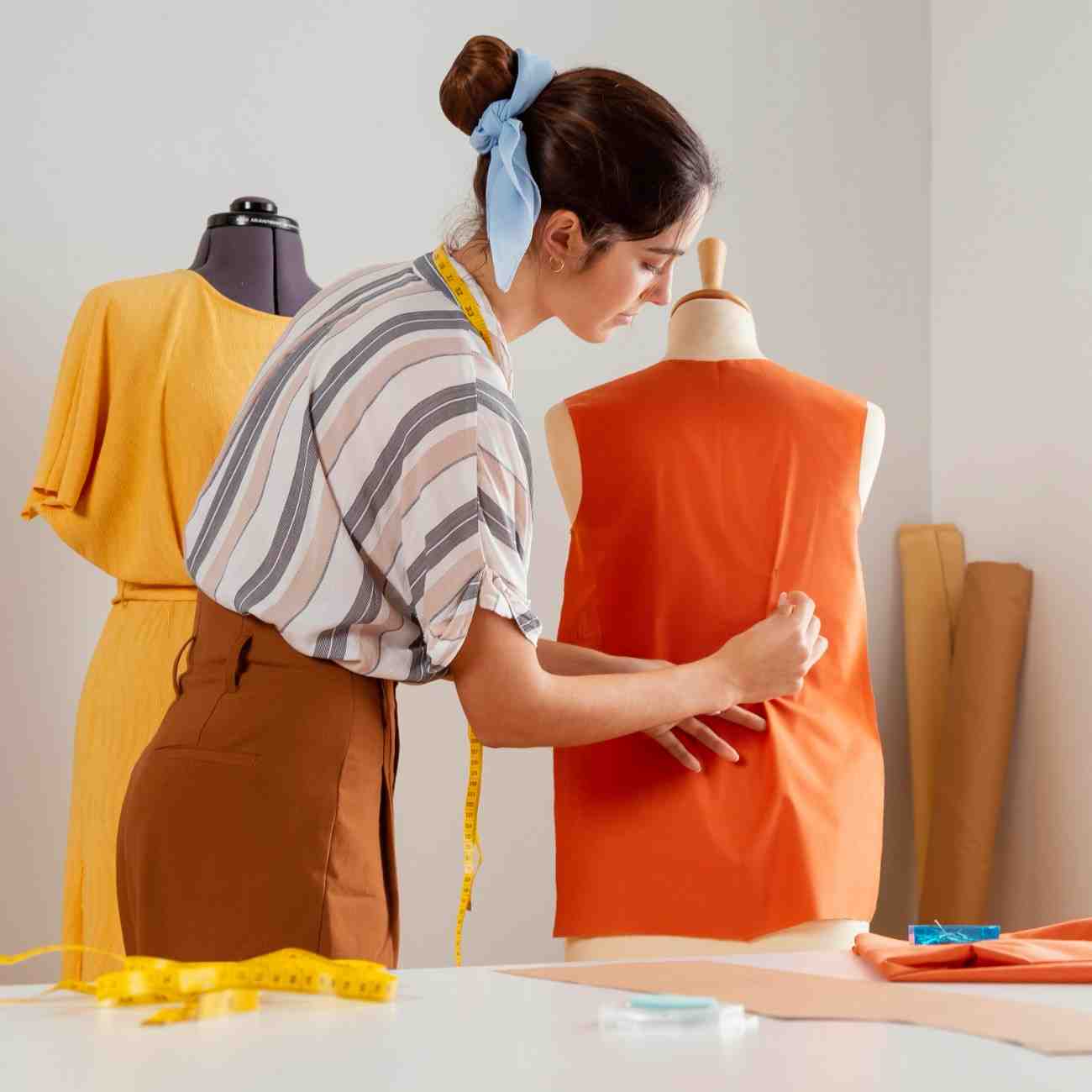
When it comes to draping, every designer has their own approach and technique. It’s also the best technique if you want to experiment with silhouettes. Alexander McQueen is one such designer who revolutionised the concept of draping. He had a knack of turning garments into sculptures. He was the go-to designer for cocktail gowns or wedding gowns. Draping is something that is done directly on the dress. It creates fluidity and helps understand fabric behaviour. However, for draping, the right fabric choice is of paramount importance. High-quality, dense fabrics work the best. Those that will stay in the same shape even after one wash. Before making a final garment, draping is done on the mannequin to achieve the desired shape or fold. To hold a fabric in place, it’s best to use pins, clips or weights.
Pleating
Pleating is ideal to create intricate designs. It involves folding and tucking the fabric. Pleating adds texture and visual interest to garments. The most common pleating techniques include knife pleating and box pleating. It helps create the desired effect. Pleating is mainly used for skirts and to create voluminous sleeves.
Smocking
Smocking and embroidery are an age-old technique. It is done using thread or yarn to decorate a fabric. It’s a very popular fabric manipulation technique. In smocking, embroidery stitches are used to gather and texture the fabric. Stem or satin stitch is used. Smocking can be done by hand or by machine over gathered fabric only. Smocking is popular for children’s clothing because of its stretched effect. Besides this, it’s also used to make bodices.
Ruching
Another important fabric manipulation technique not many people know about is ruching. In this technique, the fabric is gathered in repeated patterns to create ripples. Though it was used a lot in the 70s and 80s, ruched fabrics are coming back into the mainstream. It is often used in body hugging silhouettes. To create flattering garments, ruching is the best technique to use.
Quilting
As a designer, if you really want to take the value of your apparel up-a-notch, you should really consider quilting. It’s a technique that involves sewing two or more layers of fabric with padding in between. It’s mainly used for active wear, outerwear, experimental couture, bed linen and statement pieces. Quilted designs are quite expensive in the market.
Applique
As mentioned earlier, fashion designing is all about storytelling. As a designer, if you wish to tell a story through your apparel, you must consider adding applique. Though it is not a fabric manipulation technique at large, it does give the fabric a facelift. For example, appliques are readily available made by designers. They’re small patches that can directly be sewn into large pieces such as a shirt to create patterns or images. Appliques give the garment a bold, layered design and make it look very expensive.
Appliques are either stitched onto the garment or are available in the market as iron-on patches.
Conclusion
As an aspiring fashion designer, if you want to create depth and individuality in your designs, learning fabric manipulation is key. However, before you start, it’s important to have a clear idea of what you want to achieve. At the same time, you must choose the right fabric and keep testing before you roll out a collection. To master the basic and advanced techniques of fabric manipulation, enrol yourself in a BSc in Fashion and Apparel Design course at Vogue, one of the best design colleges in Bangalore.