
How to Create an Interior Design Mood Board for Clients?
When you enrol yourself at a private design college in India, you learn several aspects and concepts of interior designing. Among the many concepts you learn, the most important one is mood board creation. As an interior designer, this is a crucial step as it helps you effectively communicate your ideas to your clients. They usually have no idea about colours, textures, paint and furniture. They consult you because you’re a professional. All they do is communicate what they have in mind, and you have to bring it to life using your talent and knowledge.
What is a Mood Board?
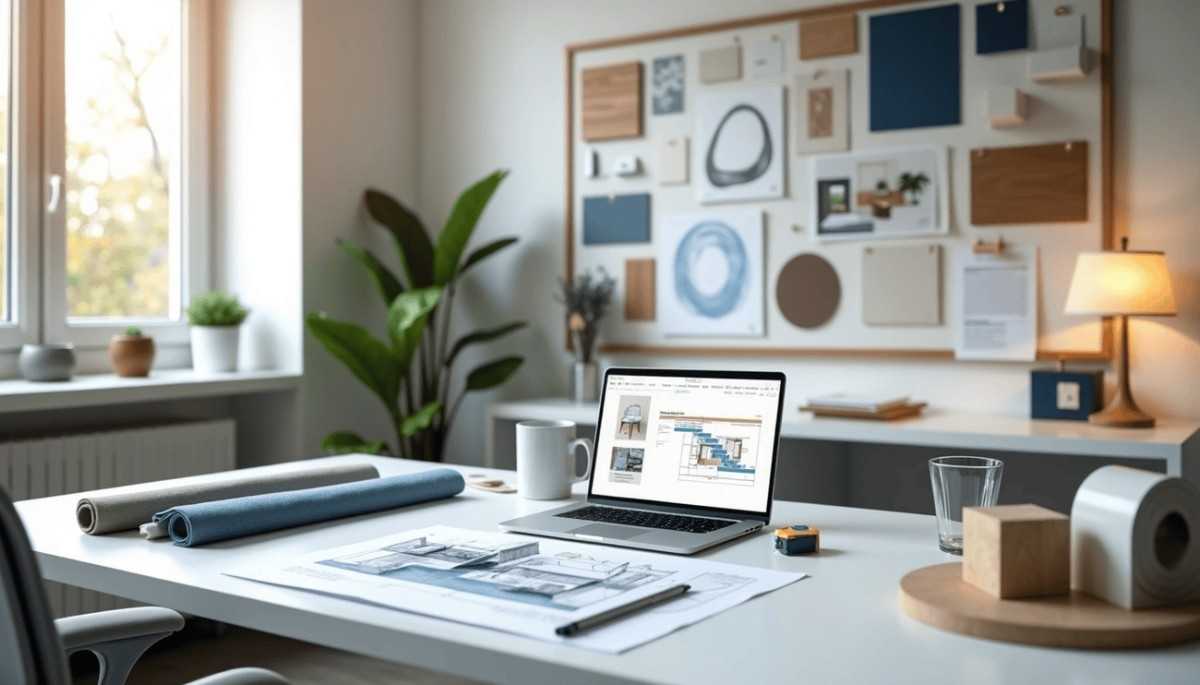
A mood board is a blank canvas or visual collage that helps you store ideas. It is usually created after thoroughly understanding a client’s needs. It usually captures the essence of the style and includes colours, patterns, textures, layouts, furniture, décor and the overall interior design feel. Mood boards are usually created after one or two meetings. It helps showcase a designer’s creative ability and also helps them display their ideas with utmost clarity. In a nutshell, a mood board is an interior designer’s vision before implementation.
Benefits of a Mood Board
A mood board definitely helps shape creative ideas. By creating a mood board, interior designers can set a clear tone for their project from the very beginning. It also acts as a roadmap. Let’s look at the other benefits of mood boards in interior designing:
Visual Experimentation
Interior designing is all about visuals and aesthetics. It gives designers a chance to explore different ideas, textures and patterns before committing to a final design. It works as a blueprint. They can show the client what they have in mind before going ahead and ordering everything.
Streamlines Communication
Mood boards are usually created after thoroughly understanding the client’s needs. It serves as a visual reference for the future. It helps in effectively communicating the designer’s vision to the client, team members and anyone else associated with the project.
Saves Time
In interior designing, every space is different, and in a residential project, every room is different. By creating multiple mood boards at the start of the project, designers can save time. They reduce the likelihood of revisions thereby saving time and material cost.
Ensures Consistency
Since the theme and colour scheme is mentioned in a mood board, a certain level of consistency is maintained. It not just helps create a unified look but also promotes cohesion.
Steps to Create an Interior Design Mood Board your Clients with Love
Understand your Client’s Needs
At the start of any interior design project, designers usually sit with the client to understand their needs thoroughly. This is also referred to as a design consultation. A few questions you should be asking are regarding the – preferred style, budget, functionality, colour preferences, theme in mind, and inspiration. It’s always better to sit with the client to gain a deeper understanding. However, in certain cases where it’s not possible, a questionnaire can be sent.
Choose a Mood Board Format
Depending on your preference, you can choose a format. It can either be a digital mood board or a physical mood board. The most common software used to create mood boards are Canva, Pinterest, Adobe Spark, Matboard, Mural, Procreate, etc. It’s super-simple to use and easy to edit as well in case the client wants any changes. On the other hand, physical formats are way ahead. They surely offer a tangible feel by giving clients a chance to touch and feel certain textures and materials. As an interior designer, you can enjoy the best of both worlds by creating a mood board digitally and presenting samples to the clients during the meetings.
Gather Images, Colours & Textures
Mood boards are all about images, colours and textures. You can start the mood board design process by collecting sample images and putting them together. The choice of images depends on the theme of the project and the colours you have in mind. Start by choosing a colour scheme that reflects the intended mood. In the case of a physical mood board, you can collect cut-outs from magazines and articles. However, make sure you don’t have a clutter of images as it can get confusing for you as well as the client. As a thumb rule, you should select 3-6 colours. Three primary colours and three secondary colours.
Select Visual Elements
Once you have a rough idea of the layout, colour scheme, and flooring, it’s time to start picking the visual elements. This part usually comes in the later stages of the interior design process. A few visual elements that are important include furniture, lighting, accessories, furnishing inspiration and paint swatches. This also gives the client the assurance that the project is moving in the right direction.
Make it Easy on the Eyes
When you present a mood board to a client, it should be easy on the eyes. Organise it visually into different categories. The best thing to do is to keep it balanced and easy to follow. For every room, include a hero piece that will be included in the final design. If needed, a short description can also be included on every page. It adds finesse to the mood board.
Present the Mood Board
Once the mood board has been created, it’s time to present it to the client. Walk your client through every section and explain why you’ve gone in for certain materials or choices. Always have room for review and refining. Ultimately, it should align with the client’s taste and goals. If the client doesn’t like something, be ready to revise it.
Conclusion
Creating a mood board is all about putting different pieces together. Ultimately, it should capture the client’s vision and become a blueprint for the interior designer. Think of it as a tool that can guide you through the design process. Just like mood boards, there are several other concepts a budding interior designer should know. The best design colleges in Bangalore offer decoration design courses that will make students future-ready.