
Rise of Hybrid Animation
Ever since its inception, animation has come a long way. From traditional hand-drawn animation to 3D computer-generated imagery (CGI), there are different techniques that have changed the creative space forever. While animators believe that 2D animation is the purest and original form of animation, a lot of other new-age animators believe that 3D animation is far better as far as the limitless possibilities are concerned. Needless to say, both are great forms of animation with widespread use in various media today. Whether it’s films, music videos or television series, animators have definitely started thinking out of the box.
This has given rise to hybrid animation. In simple words, it’s a blend or integration of 2D and 3D animation.
What is Hybrid Animation?
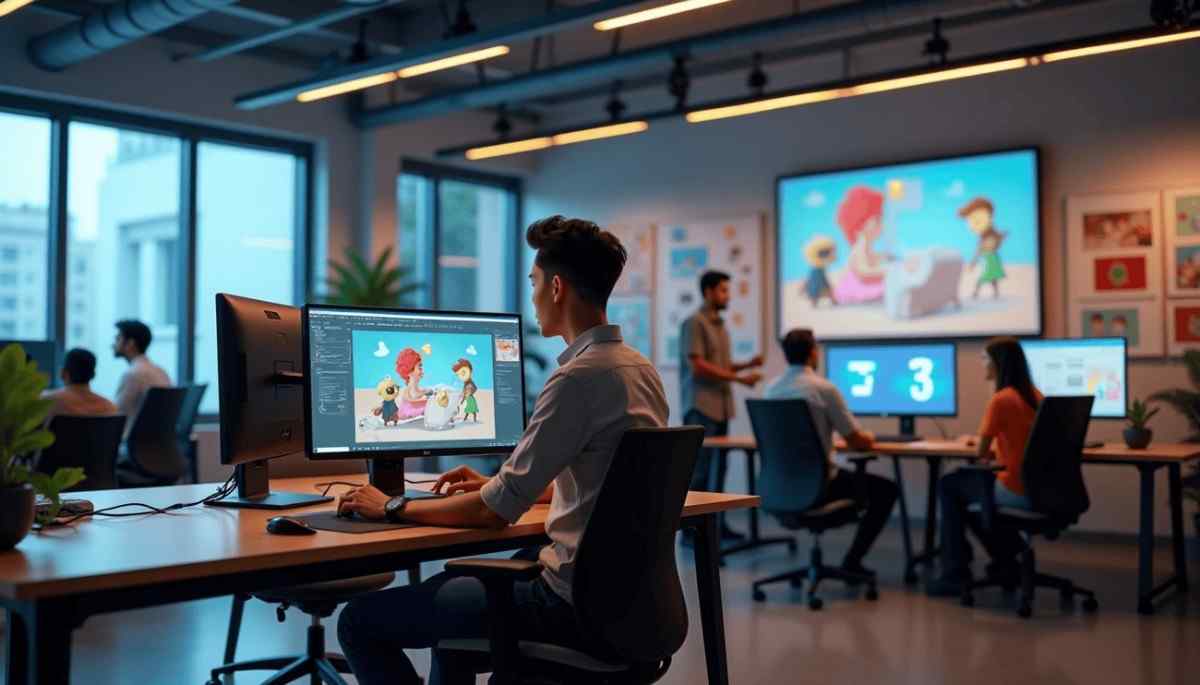
In hybrid animation, multiple animation styles and techniques are blended together. A few techniques that are often combined are 2D hand-drawn animation, 3D computer-generated imagery (CGI), and live-action. Everything comes together to create a single, cohesive visual experience. Creators today are combining the best of both worlds. It surely marks a shift in the way animated content is conceived, produced and consumed. While 2D animation brings realism, 3D animation brings depth. The possibilities are endless for creators, studios and audiences.
When hybrid animation is further combined with AR, VR and mixed reality, real-life experiences can be replicated.
Besides 2D and 3D animation, hybrid animation may also include a few lesser-known styles including stop motion, motion capture and rotoscoping. Each component plays an important role and when put together, it can turn into something eye-catching.
Advantages of Hybrid Animation
Creative Storytelling
From a storytelling perspective, animators are always looking for new possibilities. Hybrid animation brings to the table visual direction flexibility. It all depends on the type of sequences that are being animated. For example, for a cartoonish, exaggerated look, 2D animation works. However, to bring in some realism and depth, 3D animation is required.
Fresh & Innovative
Individually, both 3D and 2D animation is a bit done and dusted. Together, their approach is different. To create an enhanced visual appeal or aesthetic, hybrid animation is worth giving a try. Artists too can create a unique hybrid style that feels fresh and innovative. A classic example of achieving hybrid animation is using 2D animation for characters and 3D animation for the rendered backgrounds or objects. The contrast between the two can create a realistic 3D environment and make every character pop and draw attention to themselves.
Better Efficiency in Production
Though 3D animation is resource-intensive and expensive to produce, it requires a lot of time and computing power. On the other hand, 2D animation is faster and cheaper to produce. Instead of individually executing a particular technique, it’s best to combine the two so that both time and resources are saved. For instance, an animator can create a 3D character to interact with a 2D background. This cuts animation production costs, and helps you create 2D and 3D animation.
How Hybrid Animation Works?
You can’t just take 2D and 3D animation, combine it and call it hybrid animation. In order to achieve a hybrid animation that looks and feels great, you need to layer, sync and blend effortlessly so that it looks like it all naturally belongs together. The result should be beautifully textured, and pleasing.
Here are a few techniques that will help you blend the two styles smoothly:
Composting
Composting is an integral part of hybrid animation. It’s best to add 2D effects over 3D animation. A few examples of these effects include smoke, sparkle or confetti. In composting, multiple visual elements come together to create a final image. In hybrid animation, 2D and 3D animation makes the whole clip look compatible. However, proper composting is a must. Without it, the character may look out of place and there may be differences in texture, perspective and lighting. With techniques such as colour grading and post-processing filters, the scene can be unified. Motion blur or depth of field can also be added.
Perspective Matching
Next is perspective matching. In any animation, perspective is an important thing to consider. When 2D elements are moving in a 3D space, the movement should be in sync to avoid any mismatches. This will also make the viewer feel that both exist in the same world and there are no individual elements.
Stylising
A third component of hybrid animation is stylisation. When you stylise a certain sequence, you tend to use various textures, shading and colour palettes. This helps you give 3D objects a more 2D appearance. To successfully blend these two styles together, animators need to gain deeper technical knowledge. A visual effects diploma programme can help animators master these skills better.
Final Words
The rise of hybrid animation is surely a turning point in the animation industry. It’s a never-seen-before convergence of art and technology. This approach has definitely presented new opportunities for creative storytelling and enhanced the whole visual aesthetic. As an animator, studio or creator, you should tap this new-age animation style. To pursue visual art and design, Vogue is the best animation institute in Bangalore.