Introduction
Making the proper decision in the fashion industry can be both exciting and daunting. Aspiring designers today have more opportunities than ever to display their talent because the market is changing so quickly. For this reason, learning fashion design courses in India is the first and most important step towards creating a future in this fast-paced industry. Imagine learning in a setting where your unique style begins to take shape, ideas flourish, and workmanship improves. Abruptly, the dream no longer seems far away. It is palpable. Actual. Reachable. Selecting a school that fits your goals can set the tone for your entire path as the need for talented designers soars across luxury labels, retail behemoths, digital firms, and creative studios.You can confidently navigate the maze with the aid of this guide. The ideal course is out there waiting for you, whether you’re looking for practical instruction, industry immersion, or a program that fosters your creative creativity. Explore your alternatives, jump in, and take the first daring step toward defining your fashion personality. Make an informed decision that will shape your design career.
Understanding the Fashion Design Industry in India
The booming demand for skilled designers
The fashion industry in India is going through a rebirth. The industry is in greater need of talented designers than ever before due to the emergence of international brands, the growth of domestic labels, and the amplification of fashion trends by social media. Opportunities range widely and are always growing, from streetwear and ecological fashion to couture.
Career opportunities across fashion houses, brands, and media
Jobs in fashion design are not limited to the runway. Luxury boutiques, international fashion houses, textile mills, fashion periodicals, digital platforms, e-commerce businesses, and theater and movie costume design are all places where designers can find fulfilling jobs. Every avenue offers a different creative challenge and a chance to add to India’s ever-changing fashion scene.
How industry trends influence the type of course you should pick
Your course must take into account the trends that the fashion industry thrives on, such as eco-conscious designs, digital fashion, handloom resurgence, and minimalist silhouettes. You will learn about cutting-edge technology that influences contemporary design, environmental practices, and modern aesthetics through an innovative curriculum. Long-term industry relevance is ensured by selecting a course that is in line with new developments.
Identifying Your Career Goals Before Choosing a Course
Deciding between fashion design, styling, merchandising, textiles, and more
Fashion is varied. Some people want to be designers who create audacious designs. Some people enjoy studying textile science, managing retail operations, curating store settings, or styling photo shoots. Knowing your passion can help you focus on a course that plays to your abilities, whether they are technical proficiency, creativity, or analytical thinking.
Short-term vs long-term goals for beginners and advanced learners
While long-term degree programs offer deeper experience, beginners frequently begin with short-term certifications to test the waters. Advanced students could choose to focus on specialized fields like fashion technology, visual merchandising, or luxury design. The length and intensity of the program you select should be determined by your goals, whether they are exploratory or career-oriented.
Types of Fashion Design Courses in India
Diploma, degree, certification, and online programs
India’s institutes offer an extensive range of fashion education pathways:
- Degree programs (B.Des, B.Sc, M.Des) for comprehensive learning
- Diplomas for skill-based training
- Short-term certifications for rapid upskilling
Who each course type is best suited for
- Degree programs: Ideal for those seeking foundational and advanced mastery
- Diplomas: Perfect for fast-track learners and career switchers
- Certifications: Great for upgrading specific skills
- Online courses: Suitable for working professionals or remote learners
Differences in curriculum, duration, and learning outcomes
Degree programs go deeper into research, theory, and practicals. Core competencies and practical projects are given priority in diplomas. While online programs differ greatly depending on the platform, short certifications focus on specialized subjects. Full-time offline programs usually offer the most industry exposure and depth of knowledge.
Key Factors to Consider While Selecting a Fashion Design Course
Accreditation and reputation of the institute
An accredited institute is a signal of reliability and quality. It ensures standardized curriculum, recognized credentials, and access to credible opportunities after graduation.
Faculty expertise and industry experience
Experienced faculty members provide more than classroom teaching—they offer mentorship, insider insights, and industry networks that shape your professional growth.
infrastructure, labs, and technology used in teaching
Fashion design is tactile and technology-driven. A good institute will have:
- Advanced sewing labs
- Draping studios
- Pattern-making workshops
- CAD and 3D fashion design tools
- Trend forecasting software
Placement records and industry connections
Strong placement support reflects an institute’s credibility. Look for partnerships with designers, fashion houses, and retail giants. Internships and collaborations often lead to promising careers.
Curriculum Breakdown: What a Good Fashion Design Course Should Cover
Core subjects like draping, pattern making, and garment construction
A solid curriculum lays emphasis on:
- Fabric analysis
- Illustration
- Garment construction
- Pattern development
- Draping techniques
These skills form the bedrock of fashion design.
Digital fashion tools: CAD, 3D design, and AI in fashion
Fashion’s digital evolution is unstoppable. Modern courses teach:
- CAD for precise sketches
- Virtual pattern drafting
- 3D garment simulations
- Use of AI for forecasting, styling, and trend analysis
Real-world exposure: internships, workshops, and portfolio building
The fashion industry values portfolios more than marksheets. A good program ensures:
- Frequent workshops
- Collaboration projects
- Industry internships
- A robust portfolio showcasing original work
Evaluating the Institute’s Legacy and Brand Value
How long the institute has been in the industry
Established institutes often have refined teaching methodologies and a vast alumni network. Longevity signals trust, stability, and consistent quality.
Alumni success stories and industry recognition
When graduates succeed, the institute shines. Check if alumni are working with reputed brands, running their own labels, or contributing to influential fashion platforms.
Understanding Fees and Scholarship Options
Comparing tuition fees across top institutes
Fashion design fees vary significantly based on reputation, location, and facilities. Always compare fee structures and what they include—materials, lab charges, software access, or additional workshops.
Scholarships, financial aid, and payment flexibility
Many institutes offer:
- Merit-based scholarships
- Need-based financial assistance
- Flexible EMI payment options
These make quality education more accessible.
Location Matters: Choosing the Best City for Fashion Education
Why cities like Bengaluru, Mumbai, Delhi, and Chennai stand out
These cities offer:
- Vibrant fashion ecosystems
- Access to manufacturers and designers
- Frequent fashion events and exhibitions
- Internship opportunities with leading brands
Access to industry events, internships, and fashion hubs
Proximity to fashion districts enhances exposure. Whether it’s Lakmé Fashion Week in Mumbai or design exhibitions in Bengaluru, being close to the action enriches the learning journey.
Online vs Offline Fashion Design Courses in India
Pros and cons of online learning
Pros:
Flexible schedules, cost-effective, self-paced learning
Cons:
Limited hands-on experience, less networking, fewer lab facilities
Hybrid models: the best of both worlds
Many institutes now offer hybrid programs—online theory combined with offline practicals—ensuring convenience without compromising on skill development.
How to Compare and Shortlist Fashion Design Institutes
Creating your personalized comparison checklist
Your checklist can include:
- Accreditation
- Curriculum quality
- Faculty credentials
- Infrastructure
- Placement history
- Fees and scholarships
- Location advantages
Questions to ask during campus visits or counsellor sessions
- What are the internship opportunities?
- How updated is the curriculum?
- What software tools will I learn?
- What does the student portfolio look like?
- How active is the placement cell?

Building a Brilliant Fashion Career After Your Course
Job roles you can pursue
Fashion design leads to roles such as:
- Apparel designer
- Fashion stylist
- Textile designer
- Visual merchandiser
- Fashion illustrator
- CAD designer
- Costume designer
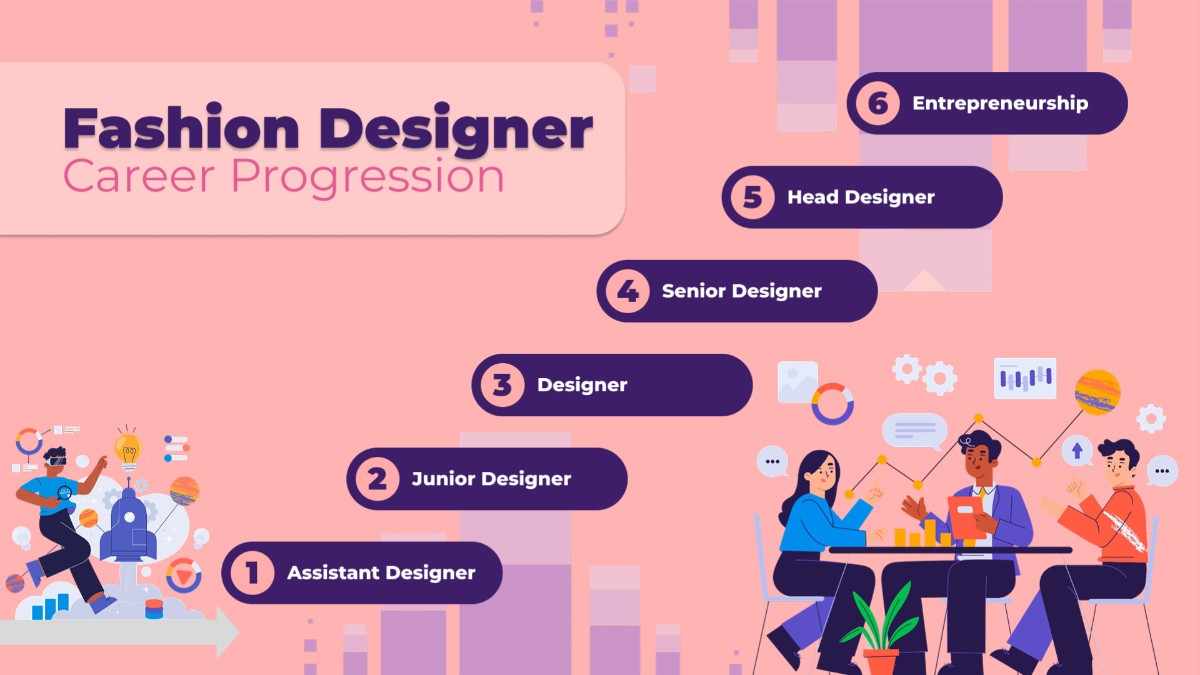
Freelancing, entrepreneurship, and building your own brand
India’s rising digital marketplace has unlocked opportunities for young designers to launch their own brands, freelance globally, and collaborate with influencers and boutiques.
How to stay updated with industry trends
Consistency is key. Attend workshops, follow global fashion weeks, absorb trend forecasts, and constantly evolve your creative vocabulary.
Conclusion:
Choosing the Fashion Course That Truly Fits You
A fashion design course should feel like a natural extension of your creative ambitions. Whether you dream of runway collections, styling celebrities, or innovating sustainable fashion, the right institute sets the stage for success. Compare wisely, follow your instincts, and choose a program that sharpens your talent and inspires your imagination.
FAQ Section
Which fashion design course has the best job opportunities in India?
Degree programs in fashion design and specialized diplomas in fashion technology offer extensive job opportunities due to their practical depth and industry recognition.
Can beginners join fashion design courses without prior skills?
Absolutely. Many courses are crafted for beginners and start from foundational concepts.
What is the average salary after a fashion design course?
Freshers typically start between ₹2.5–₹6 LPA, with salaries rising significantly with experience and specialization.
Which city is best for studying fashion design?
Mumbai, Bengaluru, Delhi, and Chennai offer strong fashion ecosystems, industry exposure, and ample internship opportunities.