
Fashion Design Courses in India Freelance vs Full-Time Career Path
Fashion design courses in India lead to two completely different career paths. Full-time positions give you structure and stability, while freelancing lets you embrace freedom. This freedom allowed me to explore dozens of countries in Europe, Africa, the Americas, the Middle East, and Asia. My lifestyle revolves around flexibility and creativity, so I spend a few months each year discovering new places.
The success of a fashion design career depends on your chosen path. The US graphic design market alone stands at $13.3 billion, and fashion design shows similar growth trends. Freelance fashion designers often earn more than their full-time counterparts while working fewer hours. Full-time roles provide steady income and benefits that you won’t find in freelancing.
Your career path after completing bachelor of fashion design courses in India or shorter diploma programs hinges on this basic choice. In this piece, we’ll look at both paths as they’ll shape up in 2026. You’ll learn about income potential, work-life balance, creative control and professional growth opportunities. This information will help you choose the right fashion design career path after your studies.
Realities of Fashion Design Careers in India
The Indian fashion scene is reshaping rapidly as we look toward 2026. Mid-premium apparel shows a CAGR of about 25%, while premium apparel projects an even stronger 45% CAGR. This growth creates opportunities for fashion design professionals of all types.
Freelance vs Full-Time: What the Industry Looks Like in 2026
Fashion professionals must choose between job security and work flexibility. Full-time designers earn monthly salaries between ₹80,000 and ₹1.5 lakhs plus health insurance benefits. Freelancers can earn ₹10,000 to ₹50,000 per day for editorial projects, though their income varies with project availability. Industry experts note, “Freelance income possibilities are high on an hourly or project basis, with the price paid being variability of income and no benefits”. Full-time roles let designers dive deep with one brand, while freelancing allows work with multiple clients at once.
Fashion Design Courses in India: Where They Lead You
Fashion design education in India creates paths beyond clothing design. Recent data shows fashion designers earn an average of ₹4.6 LPA, with opportunities in many areas. Career options include merchandising (₹3.3 LPA), fashion styling (₹4.1 LPA), and textile design (up to ₹10 LPA with experience). The field extends to interior design, jewelry making, and technical roles like fabric quality management—all building on basic fashion education.
Bachelor vs Diploma: How Course Type Affects Career Path
Your choice of education shapes your career path substantially. Bachelor’s degrees take 3-4 years and offer complete training in design theory, garment construction, business, and marketing. These graduates often land roles in fashion houses, international brands, and media companies. Diploma programs run for 1-2 years and focus on technical skills. Diploma holders typically start as fashion stylists, visual merchandisers, or design studio assistants. Both paths can lead to success, but bachelor’s degrees usually provide better long-term career growth and worldwide recognition.
Income and Financial Stability
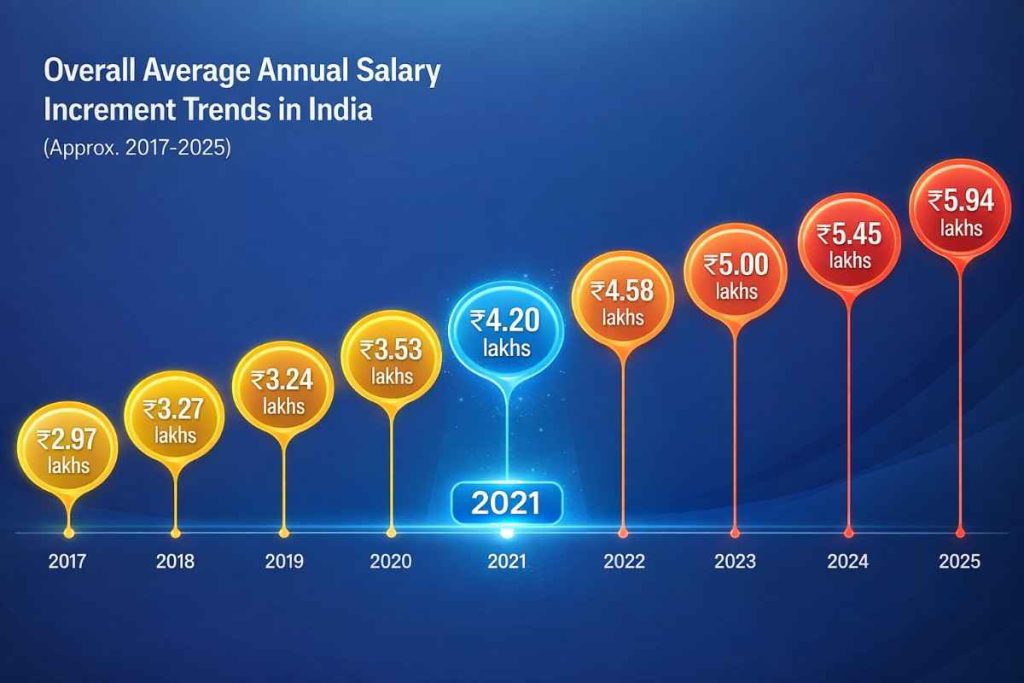
Money shapes how fashion design graduates in India choose their careers. They must choose between the security of a regular job and the freedom of working independently.
Freelance Earnings: ₹20,000 to ₹1.5L per Month Variability
Freelance fashion designers see their income go up and down. New designers earn ₹10,000-₹30,000 each month, while those with some experience can make ₹40,000-₹1,00,000. The best freelancers who work with clients worldwide can earn ₹1-₹3 lakhs monthly. The pricing works like this:
- Hourly rates: ₹500-₹2,000 based on skill level
- Day rates: ₹5,000-₹15,000 for on-site consulting
- Per-project: ₹10,000-₹1,00,000+ depending on the work involved
Full-Time Salary: ₹3L to ₹6L per Annum with Benefits
Fresh designers start at ₹15,000-₹30,000 monthly. With 3-5 years under their belt, designers earn ₹30,000-₹60,000 per month. This adds up to ₹3.5-₹7 lakhs yearly for mid-level roles. Top designers at big labels can earn ₹60,000-₹2,50,000 monthly.
Cost of Benefits: Health Insurance, Equipment, and Taxes
Full-time jobs come with perks beyond the paycheck. You get steady income, health insurance, PF contributions, paid time off, and clear career growth paths. Freelancers trade these benefits for flexibility but must handle unpredictable income, tax planning, business tasks, and unpaid vacation time.
Which Path Offers Better ROI After Fashion Design Courses?
Fashion design courses in India cost a lot, so return on investment matters. Freelancing might pay more at first, but its uncertainty makes full-time jobs safer for newcomers. Smart designers often take the middle road – they keep their day jobs and pick up freelance work during slow periods. This approach helps them balance security with extra income.
Work-Life Balance and Lifestyle
Time management is a vital factor after completing fashion design courses in India. Career satisfaction in this creative field depends on balancing professional and personal needs.
Time Flexibility: Freelance Freedom vs Office Hours
Freelancers can work on their own schedule but client deadlines often control their availability. Full-time designers work fixed hours (9–5 or 10–6) with set vacation days. Entry-level fashion roles can be demanding, with long hours during seasonal deadlines or fashion events.
Remote Work and Travel: Is It Sustainable Long-Term?
Fashion professionals spend most of January, February, June, July, and September traveling. You can work from “coffee shops, apartments, or Airbnbs in different countries” as a freelancer. The excitement of location freedom fades after about six months as people start wanting structure and connection.
Social Life and Isolation: Team Culture vs Solo Work
Full-time positions come with built-in social connections—work friends, team lunches, and collaborative projects. Freelancers must seek out social interactions because isolation comes with the territory. Many miss “having a team” after switching to independent work.
Family and Personal Time: Which Career Supports It Better?
About 35% of fashion professionals have at least one dependent, and many face career challenges after having children. Hybrid approaches give the best balance—you retain full-time stability while taking on selected freelance projects.
Learning, Growth, and Creative Control
Career growth paths look very different depending on your employment type after completing fashion design courses in India. The path you choose will shape your income and your creative and professional development.
Mentorship and Team Learning in Full-Time Roles
Full-time positions give you structured mentorship that speeds up your skill development by a lot. Fashion mentorship programs connect new talent with experienced professionals to provide customized guidance you won’t find in academic settings. In-house designers learn from watching senior colleagues during production. This hands-on experience helps them manage timelines and work better in teams.
Client Management and Business Skills in Freelance
Freelancers naturally develop their business skills. Independent designers need to find clients, manage projects, and market themselves all at once. Building strong relationships is vital because client referrals often bring in much of their business. Working with different fashion brands helps freelancers become more versatile as they adapt to various style requirements and timelines.
Creative Depth vs Breadth: One Brand vs Many Projects
Full-time designers can focus deeply on one brand’s esthetic and create more cohesive collections with a clear vision. Freelance designers get to work on many different projects – from casual clothing to high fashion or eco-friendly designs. This variety exposes them to different techniques but might limit how deeply they can explore a single esthetic.
Which Career Path Builds a Stronger Portfolio?
Your career goals determine what makes an ideal portfolio. Full-time positions show your growth within one brand’s framework. Freelance portfolios showcase versatility across multiple brands and styles. One industry expert puts it well: “It’s not about quantity; it’s about how you think, create, and solve problems through design”. Your portfolio should reflect your chosen fashion niche, whether that’s design, communication, illustration, merchandising, or forecasting.
Comparison Table
Aspect | Freelance Career | Full-Time Career |
Monthly Income Range | ₹10,000-₹1,50,000 (varies) | ₹15,000-₹2,50,000 |
Project/Daily Rates | ₹10,000-₹50,000 daily for editorial work | N/A |
Benefits | You manage your own taxes without guaranteed perks | Health insurance, PF, paid time off |
Work Schedule | You pick your hours | Standard office hours (9-5 or 10-6) |
Work Environment | You work solo, might feel isolated | You’re part of a team |
Client Relations | You handle multiple clients at once | You focus on one company |
Creative Scope | You get to work with different styles and brands | You master one brand’s style |
Professional Growth | You learn on your own and build business skills | You learn from mentors and teammates |
Portfolio Development | Your work shows range across brands | Your work shows growth in one brand |
Income Stability | Your income changes with projects | You get a steady monthly paycheck |
Travel Flexibility | You can work from anywhere | You follow company rules |
Social Aspects | You build your own network | You’re part of a workplace community |
Conclusion
A fashion design career can take many paths, and personal priorities shape your success. Of course, freelancing gives you amazing flexibility. You can work from anywhere while earning day rates between ₹10,000 to ₹50,000 for specialized projects. My fellow freelancers love working with multiple brands at once, though this means dealing with unpredictable income and managing everything themselves.
Full-time positions tell a different story. They offer steady monthly salaries from ₹15,000 to ₹2,50,000, plus great perks like health insurance and paid leave. These roles help you dive deep into a brand’s DNA and give you structured mentorship – something really valuable when you’re fresh out of fashion design school. Working in a team also helps curb the loneliness that freelancers often face.
Money works differently in each path. Freelancers might earn more per hour but can’t count on steady paychecks. Full-time designers trade some earning potential for stability and benefits they’d otherwise have to pay for out of pocket.
The work-life balance question adds another big difference to the mix. Freelancers control their time but often struggle to separate work from personal life. Full-time designers work set hours and enjoy clearer boundaries, though fashion’s seasonal rushes can make things intense whatever path you choose.
Many designers have found a sweet spot by mixing both approaches. They keep their day jobs while taking on select freelance projects. This strategy gives them steady income and creative variety, which works really well once you’ve built experience and industry connections.
Your choice after fashion design school should match your personality, money needs, and creative goals. Risk-takers who love independence might thrive as freelancers. People who prefer structure and teamwork often do better in full-time roles. Both paths can lead to success – it all comes down to knowing what matters most to you as a designer and person.
FAQs
Q1. Is fashion design a promising career choice in India for 2026?
Fashion design in India is projected to be a thriving field by 2026, with significant growth in both mid-premium and premium apparel sectors. The industry offers diverse opportunities across multiple domains, including clothing design, merchandising, styling, and textile design, with average salaries ranging from ₹3.3 LPA to ₹10 LPA depending on specialization and experience.
Q2. What are the key differences between freelance and full-time fashion design careers?
Freelance fashion designers enjoy flexible schedules and potentially higher hourly rates (₹500-₹2,000), but face income variability and lack of benefits. Full-time designers have stable monthly salaries (₹15,000-₹2,50,000), fixed work hours, and benefits like health insurance, but may have less creative variety across projects.
Q3. How do bachelor’s and diploma courses in fashion design impact career prospects?
Bachelor’s degrees, typically 3-4 years long, provide comprehensive training and often lead to positions in established fashion houses or international brands. Diploma programs, lasting 1-2 years, focus on technical skills and prepare graduates for entry-level positions like styling or visual merchandising. Bachelor’s degrees generally offer stronger long-term career momentum and broader recognition.
Q4. Can fashion designers successfully balance freelance and full-time work?
Yes, many designers adopt a hybrid approach, maintaining full-time positions while selectively accepting freelance projects. This strategy combines the stability of regular employment with the creative diversity and additional income of freelance work, offering an optimal balance for those seeking both security and variety in their careers.
Q5. How does the choice between freelance and full-time work affect work-life balance in fashion design?
Freelancers enjoy greater schedule flexibility but may struggle with work-life boundaries and isolation. Full-time designers have set hours and built-in social connections through team environments, but may face intense periods during fashion events or seasonal deadlines. The best choice depends on individual preferences for structure, social interaction, and ability to manage time independently.