
Interior design jobs in india Opportunities roles and growth
The interior design salary in India might surprise you, especially when you have entry-level designers earning between ₹1.4 Lakh and ₹3 Lakh annually, while senior professionals can make ₹3 Lakh to ₹10.9 Lakh or more. The interior design industry in India is valued at $28.87 billion and projected to reach $50.28 billion by 2030. A career in interior designing becomes more attractive with these numbers. Interior design in India has evolved from simple decoration into a profession linked to real estate, hospitality, and retail. This piece will walk you through the scope of interior design in India and different job roles available. You’ll learn realistic salary expectations at every career stage and skills you’ll need. We’ll also help you decide whether an interior design career is right for you.
Understanding Interior Design Jobs in India
What Interior Designers Actually Do
Interior design combines art and science to boost the internal architecture of human-made spaces. Your work revolves around making indoor spaces functional, safe, and visually appealing through careful selection of colors, lighting, materials, furniture, and spatial arrangements. The profession requires you to understand how spaces affect people’s thoughts, feelings, and actions.
You’ll spend your time on design planning, selecting color patterns, arranging fabric and furniture, creating wall designs, and managing lighting for interior spaces. Understanding how people move through and use a space are the foundations of your design decisions. Residential projects need comfort and tailored styles. Commercial properties prioritize efficiency and safety.
Core Responsibilities and Daily Work
Your daily responsibilities extend beyond esthetics. You’ll search for new projects through bidding and determine client goals and requirements. Sketching preliminary design plans including electrical and partition layouts becomes part of your routine. Creating timelines, estimating project costs, and specifying materials like lighting fixtures and flooring becomes routine work.
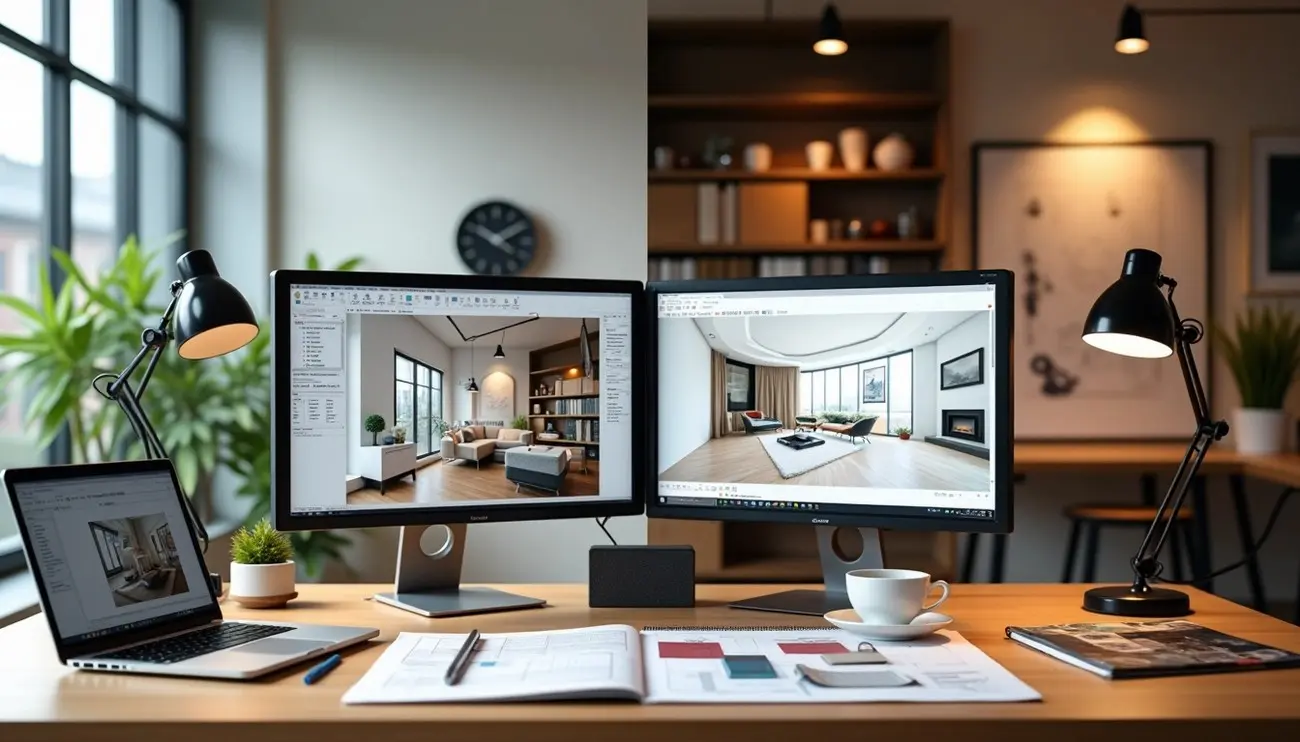
Project management takes up much of your time as you coordinate with architects, civil engineers, contractors, and vendors. You’ll read blueprints and ensure compliance with building codes and accessibility standards. Site inspections after project completion are standard. Computer-aided design (CAD) software and building information modeling (BIM) tools are now standard to create drawings and three-dimensional visualizations.
Your responsibilities also include preparing construction documents, managing budgets, overseeing material procurement, and conducting client satisfaction assessments. Financial acumen and legal knowledge of safety standards become as crucial as creative abilities.
Why Interior Design Jobs Are Growing in India
India’s interior design market hit $28.87 billion in 2025 and races toward $50.28 billion by 2030 at 11.73% CAGR. Commercial spaces dominate with 76.37% market share. Residential interiors grow faster at 19.37% CAGR through 2030.
Urban population crossed 500 million in 2025 and will reach 600 million by 2036. This creates massive need for professional services. Residential design employs 45% of interior designers in India, with 72% of tier-1 city residents now hiring professionals for their homes. The residential sector sees 6% annual growth in demand.
Commercial spaces account for 25% of design professionals, with ergonomic workspace demand increasing 20% each year. Hospitality design employs 10% of designers and grows at 8.5% yearly. Rising incomes in Tier-II and Tier-III cities have transformed families from simple housing buyers into customers for branded fixtures and complete interior solutions.
Types of Interior Design Roles and Job Opportunities
Your career in interior designing can take multiple directions based on your interests and strengths. Each specialization offers distinct challenges, client types and earning potential.
Residential Interior Designer
You’ll design private homes, apartments and condominiums when you specialize in residential interiors. Your focus changes to comfort, functionality and individual esthetics that reflect each client’s lifestyle. Urban housing projects and lifestyle-driven interiors create demand in this segment. Kitchen and bathroom design represents a niche within residential work. It requires expertise in ergonomics, plumbing and material selection.
Commercial Interior Designer
Commercial spaces need efficiency, safety and durability over personal comfort. You’ll work on offices, restaurants, hotels, hospitals and retail stores. Corporate design jobs focus on flexible, tech-enabled work environments that make shared collaboration possible. The commercial sector employs designers for large-scale projects that emphasize branding and customer experience.
Retail and Hospitality Designer
Retail designers create store layouts that attract customers and maximize purchasing strategies. You’ll need to understand customer behavior, brand identity and space utilization to boost sales. Hospitality design covers restaurants, hotels and resorts. It balances luxury with utility to deliver great visitor experiences. These roles focus on welcoming atmospheres that improve guest experiences while the brand identity stays intact.
Furniture and Product Designer
Furniture designers create unique pieces for specific spaces or mass production. You can work as an industrial furniture designer for large markets or craft bespoke, high-end pieces for premium clients. Green furniture design using eco-friendly materials represents a growing specialty.
Freelance Interior Designer and Consultant
Freelancing gives you flexibility and unlimited earning potential. You can earn ₹30,000 to ₹2,00,000 per project, depending on scope and complexity. Digital portfolios and social media marketing help freelancers secure residential or commercial projects.
Set and Exhibition Designer
Set designers create spaces for film, television, theater and events. Exhibition designers develop striking displays for museums, galleries, trade shows and cultural sites. You’ll interpret client briefs, develop creative concepts and manage installation processes.
Career Growth and Salary of Interior Designer in India
Salary expectations vary widely across experience levels in the interior design profession. Understanding compensation measures helps you set realistic career goals.
Entry-Level Salary Expectations
Fresh graduates earn ₹20,000 to ₹40,000 monthly. Your annual package ranges from ₹1.4 Lakh to ₹5 Lakh during the first two years. Positions include junior designer, design assistant, or 3D visualizer roles. Major cities show variation in monthly earnings. Gurgaon offers ₹40,617, Bengaluru ₹36,823, and Hyderabad ₹35,773.
Mid-Career Salary Range
Your monthly income rises to ₹40,000 to ₹75,000 with 3 to 5 years experience[141]. Annual compensation reaches ₹5 Lakh to ₹8 Lakh. You’ll handle independent projects and client meetings at this stage. Vendor coordination also becomes part of your responsibilities.
Senior Designer and Leadership Roles
Senior designers with 5+ years command ₹80,000 to ₹1.5 Lakh monthly. Annual packages span ₹10 Lakh to ₹20 Lakh or higher[113]. Design directors and creative leads with 10+ years can exceed ₹20 Lakh yearly. Senior interior designer base pay averages ₹40,000 monthly, and annual earnings reach ₹7 Lakhs. Freelance consultants earn ₹50,000 to ₹3 Lakh per project.
Factors That Influence Your Earnings
Your location has a substantial effect on compensation. Metro cities pay considerably more. Specialization in luxury or commercial projects increases earning potential. Portfolio strength and technical proficiency in AutoCAD and SketchUp determine your final package. Employer size and educational credentials from reputable institutions also play a role.
Skills and Qualifications for Career in Interior Designing
Building a successful career in interior designing requires you to master both technical proficiency and creative thinking. Your skillset determines not just entry into the profession but your long-term earning potential.
Essential Technical Skills
Design software like AutoCAD, SketchUp, and 3D modeling tools are significant for creating detailed floor plans and realistic visualizations. Technical proficiency in these programs helps you create accurate drawings and construction documentation. Knowledge of building codes, safety regulations, and accessibility standards will give your designs compliance and safety. Material and product knowledge covering textiles, flooring, lighting, and green practices is critical for making informed choices.
Design and Creative Abilities
Creativity allows you to think outside the box. You develop solutions that make spaces functional and beautiful. Color theory, spatial planning, and furniture layout are the foundations of your design work. Attention to detail helps you maintain consistency across materials and finishes. Strong client communication and management skills are vital for balancing project timelines and budgets.
Education and Certification Requirements
A Bachelor’s degree in Interior Design lasts 3 to 4 years. It provides in-depth knowledge of design theory, technical skills, and hands-on experience. Programs cover space planning, architectural detailing, design software, and environmental sustainability. A Master’s degree offers advanced techniques in areas like sustainable design or commercial interiors for specialization. Diploma programs provide quick entry for beginners wanting core skills fast. Certifications like NCIDQ, LEED, and software proficiency credentials improve career prospects.
Building Your Portfolio
Your portfolio showcases your best work. It shows potential clients your design style and technical abilities. Include academic projects, internships, and freelance work to demonstrate versatility. Focus on quality over quantity when you select design samples. Add project descriptions that explain your design concept, tools used, challenges faced, and your role. Create both digital and printed versions for different presentation scenarios.
Conclusion
Interior design careers in India offer strong growth potential. The market will nearly double by 2030, which is a big deal. Your earning potential grows with experience, from ₹1.4 Lakh as a beginner to ₹20 Lakh+ at senior levels. Build strong technical skills and develop a compelling portfolio. Choose your specialization carefully. The opportunities in India’s expanding cities are promising for dedicated professionals, whether you pursue residential work, commercial projects, or freelance assignments.
FAQs
Q1. Is interior design a good career choice in India?
Yes, interior design is an excellent career option in India. The industry is valued at $28.87 billion and is projected to reach $50.28 billion by 2030, creating substantial opportunities. With growing urbanization, rising incomes, and increased demand for professional design services across residential and commercial sectors, trained interior designers are in high demand, especially in metro cities and emerging urban areas.
Q2. What is the salary range for interior designers in India?
Interior designer salaries vary significantly based on experience. Entry-level designers earn between ₹1.4 Lakh to ₹5 Lakh annually, while mid-career professionals with 3-5 years of experience make ₹5 Lakh to ₹8 Lakh per year. Senior designers with over 5 years of experience can earn ₹10 Lakh to ₹20 Lakh or more annually. Freelance consultants can earn ₹50,000 to ₹3 Lakh per project, depending on scope and complexity.
Q3. What skills are essential for a career in interior design?
Essential skills include technical proficiency in design software like AutoCAD, SketchUp, and 3D modeling tools. You’ll also need creative abilities such as understanding color theory, spatial planning, and furniture layout. Strong client communication, project management skills, knowledge of building codes and safety regulations, and expertise in materials and sustainable products are equally important for success in this field.
Q4. What types of job roles are available in interior design?
Interior design offers diverse career paths including residential interior designer, commercial interior designer, retail and hospitality designer, furniture and product designer, freelance consultant, and set and exhibition designer. Each specialization has distinct challenges and earning potential, allowing you to choose based on your interests and strengths.
Q5. What educational qualifications are needed to become an interior designer?
A Bachelor’s degree in Interior Design (3-4 years) provides comprehensive knowledge of design theory, technical skills, and practical experience. Diploma programs offer quicker entry for beginners, while Master’s degrees provide advanced specialization in areas like sustainable design or commercial interiors. Professional certifications like NCIDQ, LEED, and software proficiency credentials can further enhance your career prospects.