
Portfolio Tips for Interior Design Students
So, you’ve just completed a B.Des in Interior Design course and are all set to impress future clients or employers with your skills. In order to showcase your creativity, skills and unique approach, building a portfolio is imperative. It doesn’t matter which stage of your career you are at. A portfolio can help you secure job opportunities.
What is an Interior Design Portfolio?
An interior design portfolio is a carefully curated collection of your best design work and projects. It serves as a visual representation of your skills, creativity and design philosophy. Every interior designer’s style and taste is different and with a portfolio, you can showcase your unique capabilities in the world of interior design.
While there are digital and print versions of portfolios, a common mistake a student usually makes is that he/she does not follow a proper format. They just add all that they’ve done and know in a haphazard format. This can confuse potential employers and, in the bargain, you might end up losing out on work.
As an interior designer, you need to showcase your personal brand to an employer.
In this blog, we’ll walk you through the important steps to building a portfolio and help you ensure that your design work stands out.
How to Make an Interior Design Portfolio that Will Stand Out?
Pick an Appropriate Theme/Format
A portfolio is all about displaying your work in the most effective way. Something that will make it stand out. Whether it’s physical or digital, it’s important to start with a theme. To anyone viewing it, it should be a well-composed symphony. To connect your projects, use a consistent colour scheme and layout. This not just makes your portfolio look aesthetically pleasing but also gives the impression that you care about design. Busy clients usually prefer digital portfolios. They would like to view your work on the go or wherever they are. However, for in-person meetings, a printed version is better. They might even keep a copy in their office and use it as a reference in the future.
Focus on Structure & Organisation
A consistent and clean layout is essential to make a portfolio look good. It’s important to keep it as clean and minimal as possible so that your work stands out. At the beginning of the portfolio, consider having a cover page and introduction. Here you can include project overviews and a table of contents. This particularly is very important. It helps the viewers quickly navigate the portfolio and allows them to skim through the section they want to.
Content Selection
When you’re designing your portfolio and selecting work you want to display, always remember quality over quantity. Nobody wants to see pages and pages of mediocre work. Thus, remember to include your best work in your portfolio. Clients want to see your interior design skills. For instance, if kitchen interiors is your specialisation, have the first few pages dedicated to that. A recruiter doesn’t want to see everything you’ve done. Instead, they want to see what you’re best at. Also, it’s good to showcase a range of skills to them. Include a mixed page of projects – residential, commercial and hospitality. A portfolio is also about demonstrating versatility.
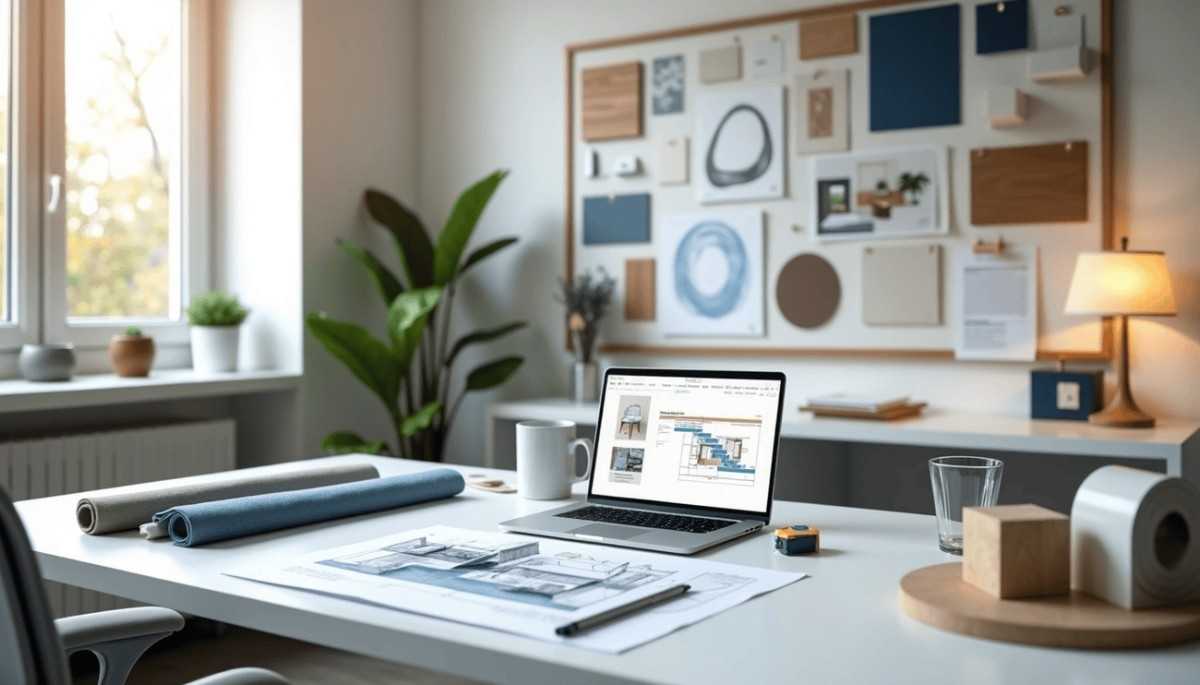
A common mistake students make is that they only show the final product. However, clients and employers are more interested in the process. Include floor plans, 3D sketches, mood boards and material samples to make your portfolio interactive. This shows them how your thought-process works and what your problem-solving capabilities are.
Project Descriptions
Your portfolio should literally make the viewer feel like they’re walking through the spaces you’ve designed. For each project you’re including, ensure you provide a concise yet informative description. Explain the theme you followed, the creative design process and the specific problem you were addressing. You can even show before-and-after photos. This can really say a lot about your skills. Descriptions also give depth to your work and allow evaluators to grasp your design thinking.
Embrace the White Space
Nothing showcases your work better than white space. While we understand the temptation of filling every nook and corner of your portfolio, refrain from doing so. The white background guides the viewer and keeps them engaged. Your portfolio should be easy on the eyes and help the viewer navigate seamlessly from top to bottom of the page. White space is nothing but breathing space. It makes your portfolio flow effortlessly.
Add a Personal Touch
The only way to make your portfolio truly yours is by adding a personal touch. At the end of the folio, add a short bio and your mission statement. You can even share your design philosophy, inspiration and career goals. You can even attach your resume. Lastly, if it’s a digital portfolio, remember to update it from time to time. Refresh your portfolio with weak ones and add new projects.
Conclusion
A successful interior design portfolio must contain impressive visuals, design processes, mood boards, renderings, floor plans and more. Only your best work will help you secure a job. It has to be a visual delight. When you’re designing it, each aspect must harmoniously come together. Looking to pursue an interior design and decoration course? Choose Vogue, the best interior design school in India. ullamcorper mattis, pulvinar dapibus leo.