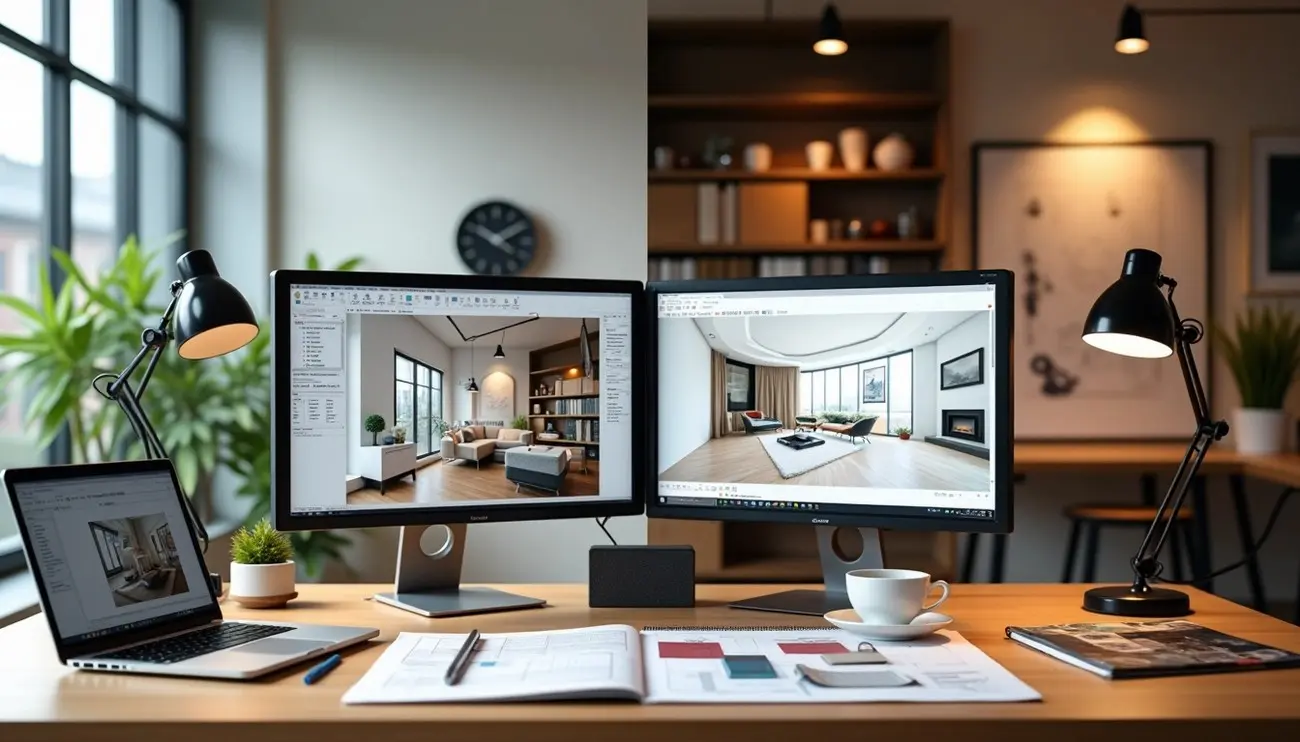

skills required to become a successful interior designer
Interior design skills matter more today than they ever have before. Here’s something that might surprise you: 84% of architects and designers predict growing demand for healthy, sustainable spaces in the coming years. That’s not just a trend it’s a fundamental shift that makes interior designers essential professionals in both homes and businesses.
What makes a successful interior designer? You’ll need three main types of abilities working together. First come the technical skills things like CAD software and space planning that turn your creative ideas into real, buildable spaces. Then you need people skills: clear communication, creative problem-solving, and the ability to really listen to what clients want. Finally, there’s the business side budgeting, project management capabilities, and client relationships that keep your practice running smoothly.
Think of these skills like a three-legged stool. Remove any one leg, and everything becomes unstable. Master all three, and you’ll have what it takes to build a rewarding career that truly makes a difference in how people live and work.
What does an interior designer do?
Interior designers take empty rooms and outdated spaces and turn them into places where people actually want to live and work. But here’s what most people don’t realize: your real work starts long before you pick out a single paint color or piece of furniture. Understanding what this profession actually looks like day-to-day helps you figure out which skills of an interior designer you need to focus on developing.
Core responsibilities of interior designers
Picture this: your morning begins with a client who wants to “make everything bigger” in their 800-square-foot apartment. You sit down together, ask the right questions, and discover they really need better storage and clearer sight lines. You measure every corner, noting where the morning light hits and how foot traffic flows from room to room. These measurements become the blueprint for everything that follows.
Next comes the creative part that most people think of when they imagine design work. You sketch ideas, pull together mood boards, and create digital presentations that help clients see your vision. Maybe you’re showing them how a soft gray wall will make their living room feel twice as large, or how the right lighting can turn their cramped kitchen into the heart of their home.
Once they love your concepts, the behind-the-scenes work begins. You write up contracts, create detailed budgets, and start the careful dance of coordinating suppliers, contractors, and delivery schedules. You become the project quarterback, making sure the electrician knows about the new pendant lights before the painter starts work, and that the custom sofa arrives after the floors are refinished but before the final styling day.
Skills that drive daily tasks
Every conversation with a client requires you to translate design concepts into plain English. When they say they want something “cozier,” you need to understand whether they mean warmer colors, softer textures, or more intimate furniture arrangements. Then you explain your solutions in ways that make sense to them, not just to other designers.
Your technical skills come into play constantly. You use AutoCAD to create floor plans that contractors can actually build from. You need to know building codes well enough to design a bathroom that passes inspection, and understand materials deeply enough to recommend the right tile for a high-traffic mudroom versus a guest powder room.
Problem-solving happens daily. Maybe your client’s budget got cut by 30%, or the perfect dining table won’t fit through their doorway, or the contractor discovers a support beam right where you planned the kitchen island. You find creative solutions that keep the project moving forward without compromising what matters most.
Balance between creativity and execution
Here’s what makes interior design uniquely challenging: you’re part artist, part engineer, part project manager. You might spend your morning selecting the perfect shade of blue for a nursery, then switch to calculating load requirements for floating shelves, then coordinate with three different contractors about installation timing.
Your creative ideas only work when they’re technically sound. That stunning open-concept layout needs proper structural support. Your lighting plan has to work with the electrical system. The materials you choose must handle real life—kids spilling juice, dogs tracking mud, dinner parties running late.
Great interior designers master both sides of this equation. You develop space plans that make small homes feel spacious and large homes feel intimate. You understand how different lighting affects mood throughout the day and which fabrics will still look good after two years of daily use. Most importantly, you create spaces that don’t just look beautiful in photos they make everyday life better for the people who live there.
Essential hard skills of an interior designer
Technical abilities form the backbone of every design project. Without these core competencies, even the most creative vision stays trapped on paper. These skills bridge the gap between what you imagine and what actually gets built.
Technical drawing and CAD software proficiency
Manual drafting belongs to the past. Today’s design world runs on CAD software, and mastering these tools isn’t optional it’s essential for creating professional-quality documentation.
AutoCAD handles your foundational 2D work. You’ll create floor plans, elevations, and detailed drawings with precise measurements that contractors can actually use. Think of it as your digital drafting table where accuracy matters more than speed.
SketchUp shines when you need to show clients what their space will look like. This 3D modeling tool turns flat plans into walkable spaces. Clients understand a 3D model instantly, while technical drawings often leave them confused. Use SketchUp for quick concept exploration and client presentations.
Revit becomes important when working on larger projects with architects and engineers. This Building Information Modeling software lets everyone work from the same digital model, reducing errors and miscommunication. You’ll coordinate electrical plans, plumbing layouts, and structural elements all within one system.
Regular practice builds fluency in these programs. Start with AutoCAD basics, then add SketchUp for visualization skills. Save Revit for when your projects demand that level of coordination.
Space planning and layout design
Here’s what separates good spaces from great ones: thoughtful planning. Effective space planning can result in up to a 30% improvement in space utilization. That’s the difference between a cramped room and one that feels spacious and comfortable.
Space planning starts with understanding how people actually live and work. You’re not just arranging furniture you’re creating patterns of daily life. Consider how someone moves from their bedroom to the kitchen in the morning, or how a family gathers in the evening.
Think about zones within each space. Public areas like living rooms need openness and easy conversation flow. Semi-private zones such as home offices require some separation but not complete isolation. Private spaces like bedrooms prioritize quiet and personal comfort.
Good circulation paths feel natural, not forced. People shouldn’t have to weave around furniture or bump into corners. Scale matters too oversized furniture makes small rooms feel cramped, while tiny pieces get lost in large spaces.
Knowledge of materials and textiles
Materials do more than look pretty. Each fabric, finish, and surface needs to perform specific jobs while matching your design vision.
Natural materials like cotton and linen bring organic warmth and breathability. Cotton works well for everyday upholstery and bedding, though it shows stains more readily than synthetic options. Linen creates an relaxed, contemporary feel while resisting fading and wear.
Synthetic materials often provide better durability and easier maintenance. They’re particularly useful in high-traffic areas or homes with children and pets. The key is choosing synthetics that don’t look obviously artificial.
Safety requirements add another layer to material selection. Interior fabrics need flame-resistant treatments to meet building codes. Understanding these requirements helps you specify materials that are both beautiful and compliant.
Understanding of building codes and regulations
Building codes protect people’s safety and health. They’re not suggestions—they’re legal requirements that affect every design decision you make.
Fire safety shapes how you plan spaces and select materials. Exit routes must be clear and direct, with proper lighting and signage. Fire-resistant materials are required in certain locations, particularly around stairways and exits.
Accessibility standards ensure your designs work for people of all abilities. Door widths, bathroom layouts, and counter heights all have specific requirements. Universal design principles create spaces that everyone can use comfortably.
These codes change periodically, so staying current is part of your professional responsibility. What worked last year might not meet this year’s standards.
Color theory and lighting principles
Colors and lighting work together to create mood and atmosphere. Understanding their relationship helps you design spaces that feel exactly right.
The color wheel provides your foundation: primary colors (red, blue, yellow), secondary colors (green, orange, purple), and tertiary combinations. Complementary colors create drama through high contrast, while analogous colors blend harmoniously.
Different colors affect people’s emotions. Blue calms and focuses perfect for bedrooms and offices. Yellow energizes social spaces like kitchens. Red stimulates but works best as an accent rather than a dominant color.
The three-color rule keeps schemes balanced: dominant colors take 60% of the space, secondary colors use 30%, and accents fill the remaining 10%.
Lighting color temperature, measured in Kelvin, changes how colors appear and how spaces feel. Warm light (2700K-3000K) creates cozy, relaxed environments. Neutral light (4000K) provides clear visibility. Cool light (5000K+) promotes alertness and focus.
Color Rendering Index (CRI) affects how naturally colors appear under artificial light. Higher CRI values preserve color quality, which matters especially when you’ve carefully chosen specific paint colors or fabrics.
Critical soft skills of an interior designer
Technical skills might get your projects started, but soft skills of an interior designer determine whether they actually succeed. These people-focused abilities separate designers who simply finish projects from those who build lasting practices with clients who keep coming back.
Communication and client interaction
Here’s a reality check: 70% of designers struggle with difficult clients. The good news? Most client problems stem from communication gaps, not personality clashes. When expectations stay fuzzy from day one, scope creep hits 60% of projects. Unclear feedback creates misunderstandings 80% of the time.
Your solution starts with asking better questions. Skip vague requests like “What do you think?” Instead, try “Do you prefer Option A or B for the dining chairs?”. Visual tools work wonders too—mood boards, 3D renderings, and digital presentations help clients actually see what you’re describing. When clients feel heard throughout the process, they’re 50% more likely to return for future projects.
Problem-solving under constraints
Clients want champagne spaces on beer budgets. Sound familiar? Rather than saying “no” to unrealistic requests, find creative ways to deliver the essence of what they want. If they love expensive marble but can’t afford it, show them porcelain tiles that capture the same elegant look.
Small spaces need smart solutions: vertical storage, multi-functional furniture like ottomans with hidden storage, and light colors paired with mirrors to open things up. Your job isn’t to make clients settle—it’s to find better ways to get them what they really need.
Time management and organization
Time management challenges plague most designers. The secret lies in building realistic timelines that account for the unexpected. Always add buffer time for delivery delays and client approval rounds that take longer than expected.
Break big projects into smaller, manageable tasks with clear deadlines. Tools like Trello, Asana, or Basecamp keep everything organized and visible. Focus on the most important elements first—if something has to slide, make sure it’s not a critical deadline.
Attention to detail
The difference between good spaces and great ones lives in the details. Every switch plate, light fixture, and piece of artwork matters. When you nail the big picture first, these smaller elements fall into place naturally.
Your attention to detail shows up in how well you coordinate trades and deliveries, preventing costly mistakes and delays. Clients notice when everything works together seamlessly.
Collaboration with contractors and vendors
One-third of design projects miss deadlines or blow budgets because of poor collaboration. The fix? Clear communication and defined roles from the start. You handle the creative vision; contractors manage the technical execution.
Walk job sites together regularly. When everyone understands exactly what goes where and how it should look, your beautiful designs actually become reality instead of staying trapped in renderings.
Business and project management skills for interior designers
Here’s the truth about interior design: your creative talents and technical skills will get you noticed, but business savvy determines whether you’ll actually make a living. The designers who thrive understand that managing money, timelines, and client relationships isn’t separate from design it’s part of what makes great design possible.
Budgeting and cost estimation
Money conversations feel uncomfortable, but they need to happen early in every project. When you’re upfront about costs from the start, you give both yourself and your clients the power to make smart decisions. Break down your budget into clear categories materials, labor, and contingencies so everyone knows where the money goes. This kind of transparency builds the trust that keeps clients coming back.
Tools like QuickBooks or Excel become your best friends for tracking expenses in real time. But here’s a tip that will save you countless headaches: always build in a buffer of 10-20% for unexpected expenses. That beautiful marble tile might arrive damaged, or the client might suddenly decide they love that accent wall idea after all. Regular budget reviews help you catch problems before they become disasters.
Contract negotiation
Good negotiation isn’t about winning or losing—it’s about finding solutions that work for everyone. Know your bottom line before you walk into any discussion. Your body language, tone, and words all matter, with research showing that only 7% of communication comes from your actual words. The other 93% comes from how you say things and what your posture communicates.
Always come to the table with multiple options rather than a single take-it-or-leave-it proposal. This approach shows clients you’re committed to finding something that works, not just pushing your preferred solution.
Project timeline management
Project management software keeps everything organized—timelines, tasks, budgets, and all those client and contractor conversations. But software can’t solve the real challenge: things go wrong. Deliveries get delayed, contractors get sick, clients change their minds. Build extra time into every timeline from the beginning.
Keep everyone in the loop with regular updates. When clients and contractors know what to expect and when, projects run smoother and relationships stay strong. A quick email update can prevent a frustrated phone call later.
Client relationship management
Start every project with a detailed agreement that covers your process, budget, and timeline. Get specific about everything, because “we’ll figure it out later” leads to problems. Have the money conversation immediately—it helps you spot potential issues before you’re invested in the project. Schedule your next meetings right after signing contracts, and confirm them the day before. Small details like this show professionalism and keep projects moving forward smoothly.
How to develop and strengthen your interior designer skills
Your journey from beginner to accomplished designer doesn’t happen by accident. It takes focused effort across several key areas, but here’s the good news: you can build these skills systematically with the right approach.
Pursue formal education and certifications
Think of the NCIDQ certification as your professional gold standard. You’ll need post-secondary education plus two to four years of work experience depending on your degree, but here’s why it matters: NCIDQ certified designers earn significantly more annually than uncertified professionals. The investment pays off.
For residential work specifically, the RIDQC exam validates your knowledge after rigorous coursework. Want to specialize? WELL AP certification shows your expertise in designing healthy spaces, while LEED accreditation proves your commitment to sustainable design principles. These credentials open doors and justify higher fees.
Practice with design software regularly
Here’s what separates confident designers from those who struggle: consistent software practice. Set aside time each week to work with AutoCAD, SketchUp, Revit, and rendering programs. Start with simple projects and gradually take on more complex challenges.
Your goal isn’t just technical proficiency—it’s the ability to communicate your vision clearly to clients through precise plans, realistic 3D models, and stunning visualizations. The more comfortable you become with these tools, the more time you can spend on creative problem-solving instead of fighting with software.
Work on real projects through internships
Nothing replaces hands-on experience working on actual projects. You’ll collaborate with seasoned designers, learn from contractors, and see how vendors really operate—knowledge you simply can’t get from textbooks.
The magic happens when you watch your drawings become real spaces. You’ll learn what works in practice versus what looks good on paper, and those lessons will make you a much stronger designer.
Build a diverse portfolio
Your portfolio tells your professional story, so make it compelling. Include sketches, renderings, and photos that show your range. Don’t just show finished products—include floor plans, 3D models, mood boards, and material samples that reveal your thinking process and problem-solving approach.
Quality beats quantity every time. Choose your best work across different project types residential, commercial, hospitality to show potential clients you can handle their specific needs.
Stay updated with design trends
The design world moves fast, and staying current keeps you relevant. Follow industry publications, attend trade shows, and connect with other professionals. But remember: trends are tools, not rules. Your job is understanding what’s happening in the market while developing your own design perspective.
Seek feedback from professionals
Growth accelerates when you get honest feedback from people who’ve been where you want to go. Find mentors, join professional groups, and don’t be afraid to ask for critiques. The insights you gain about your blind spots and growth opportunities are worth far more than any wounded pride.
Every designer started somewhere. The difference between those who thrive and those who struggle isn’t natural talent it’s the willingness to keep learning and improving systematically.
Conclusion
Here’s what matters most: interior design success isn’t about perfecting every skill at once. You need those technical foundations CAD software, space planning, materials knowledge. You need the people skills that help you really connect with clients and solve their problems. And yes, you need the business sense to keep projects profitable and running smoothly.
But here’s the thing you don’t have to master everything before you start. Focus on building one area at a time. Get that NCIDQ certification to show you’re serious. Spend time with the software until it feels natural. Find internships where you can watch experienced designers handle real challenges.
What really sets great designers apart?
They never stop learning. The field keeps changing new materials, different client needs, fresh approaches to sustainable design. The designers who thrive are the ones who stay curious and keep growing.
Your design career will be exactly that a career, not a destination. Each project teaches you something new. Each client challenge makes you stronger. Each mistake (and there will be some) helps you get better at what you do.
Start where you are. Use what you have. Keep learning. That’s how you build a practice that not only succeeds but actually makes spaces better for the people who live and work in them.
FAQs
Q1. What skills are most important for becoming a successful interior designer?
Successful interior designers need a combination of technical, interpersonal, and business skills. Technical abilities include CAD software proficiency, space planning, and knowledge of materials and building codes. Soft skills like communication, problem-solving, and attention to detail are equally crucial. Additionally, business acumen in budgeting, contract negotiation, and project management ensures your practice remains profitable and projects run smoothly.
Q2. What does the 70/30 rule mean in interior design?
The 70/30 rule, also known as the three-color rule, is a color distribution guideline where the dominant color occupies 60-70% of the space, a secondary color takes up 30%, and accent colors make up the remaining 10%. This approach creates visual balance and harmony in interior spaces, preventing overwhelming color schemes while maintaining interest through strategic accent placement.
Q3. What are the fundamental principles that guide interior design projects?
Interior design is built on seven core principles: balance (visual equilibrium in a space), unity (cohesive design elements), rhythm (repetition creating visual flow), emphasis (focal points), contrast (differences that add interest), scale and proportion (appropriate sizing relationships), and attention to details. These principles work together to create functional, esthetically pleasing environments that meet both practical and visual requirements.
Q4. How can aspiring designers develop their interior design skills effectively?
Start by pursuing formal education and industry certifications like NCIDQ to build credibility. Practice regularly with design software such as AutoCAD and SketchUp to develop technical fluency. Gain hands-on experience through internships and real projects, build a diverse portfolio showcasing your best work, stay updated with current design trends and sustainable practices, and actively seek feedback from experienced professionals to refine your skills.
Q5. Why is space planning considered such an important skill in interior design?
Space planning is fundamental because it determines how functional and comfortable an interior feels. Effective space planning can improve space utilization by up to 30%, organizing areas to support proper movement, function, and visual balance. It involves allocating functions to spaces, determining room proportions, planning circulation paths, and positioning furniture logically while balancing openness with privacy to prevent congestion in both small and large spaces.