
CAD and 3D Rendering in Modern Design
The world of interior design is changing faster than you can think. The segment is witnessing exciting innovations. Imagine stepping into your dream home virtually. So cool, right? You can literally see how the curtains are, how the furniture is placed and what flooring will be used. If you thought this was magic, it’s not. It’s the power of 3D rendering in interior design. Owing to its limitless possibilities, students are enrolling themselves in the best interior colleges in India.
For the uninitiated, let’s have a look at what CAD is.
What is CAD?
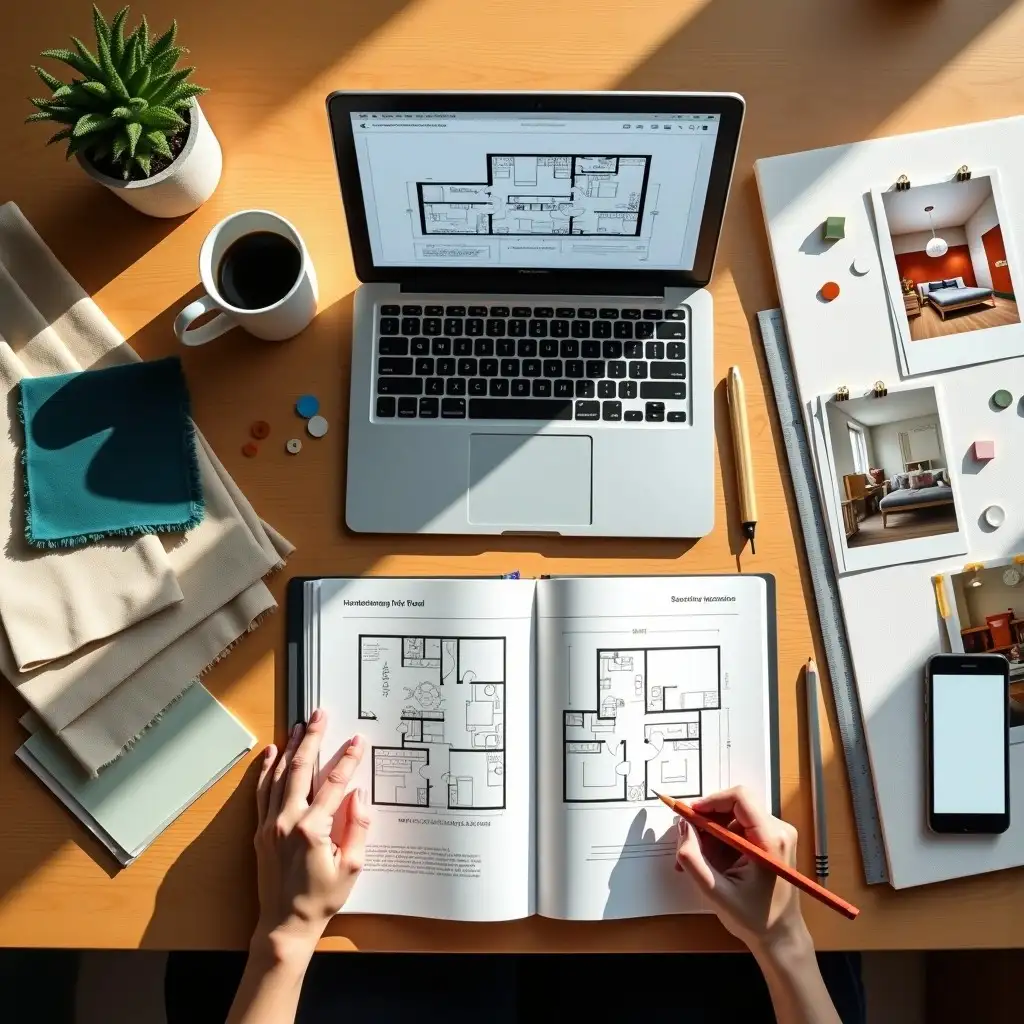
CAD or computer-aided design has literally revolutionised the world of interior design. It is not just a powerful tool but the cornerstone of interior design. It allows designers to create precise drawings and technical illustrations. CAD also helps with visualisation and innovation. A few CAD programs which designers use are AutoCAD, SolidWorks, Rhino and Fusion360. Designers can use such software to create 2D and 3D models.
What is 3D Rendering?
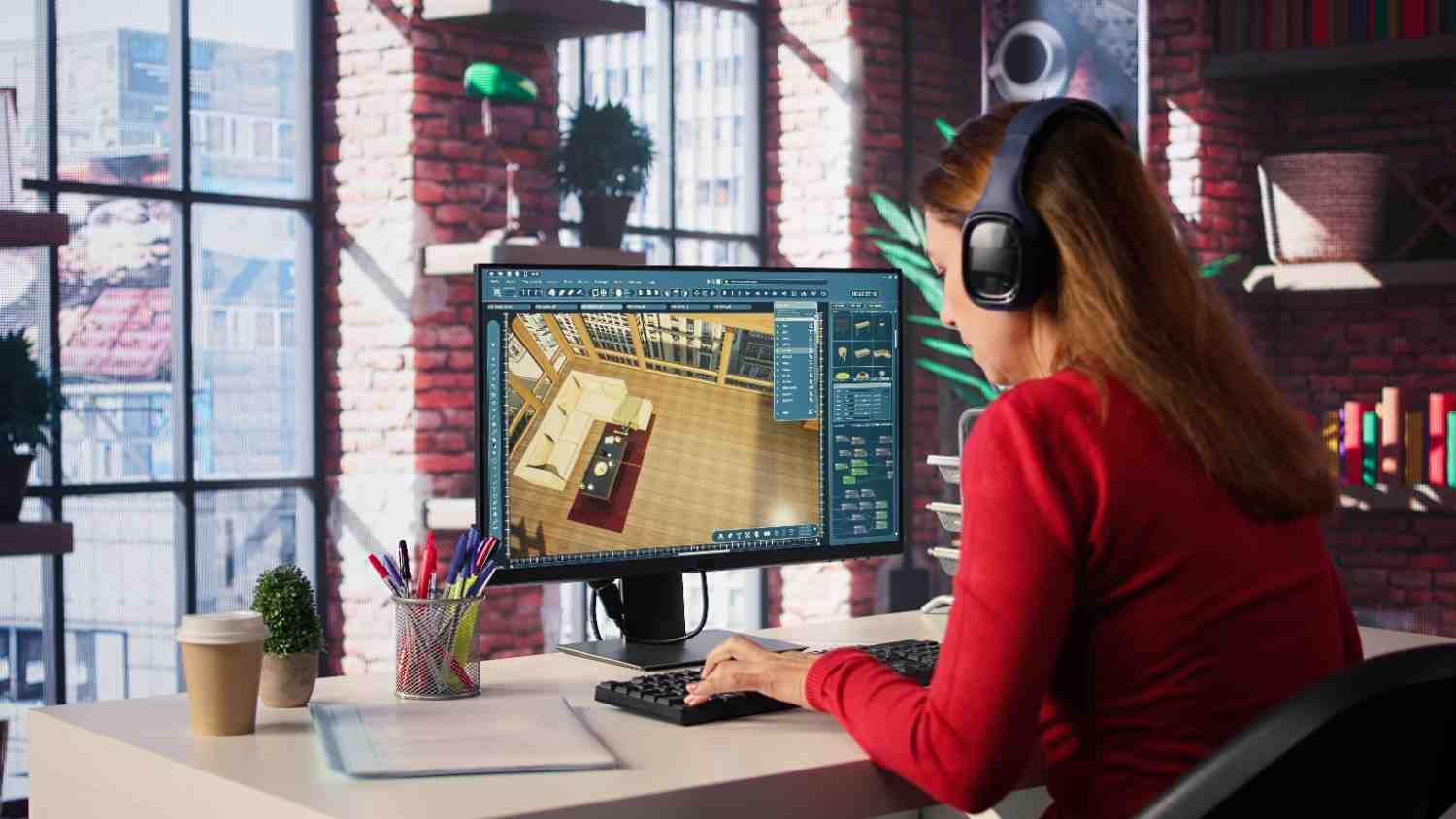
3D rendering or 3D modelling is the process of generating photorealistic or non-photorealistic images from a 3D model. Interior designers usually use specialised software to build virtual models of rooms, furniture or décor. These models are not just static but dynamic. Designers can explore layouts and even visualise the final product in detail. This also helps the client understand what their home/space would look like once the work has been completed.
The Transformation of Interior Design with 3D Rendering & CAD
Back in the day, interior design solely relied on imagination and creativity. Thankfully, technology has bridged this gap. 3D rendering provides detailed and accurate images of the proposed designs. Let’s have a look at the role it plays in modern interior design:
Planning & Visualisation
With 3D rendering and CAD, interior designers can present visualised finished products to their clients. Even before execution, they can see the final outcome. This helps clients make informed decisions and they can even change things if they don’t like something. Clients too are happier with this approach as they know what is in store. In the visualisation phase, designers can include various design elements including lighting, colour and texture. They can even add furniture to show the client how their finished project would look. With renderings, the design intent is clearer.
Improved Communication with the Client
Beyond visual design, interior designers use 3D rendering in many ways. In interior designing, the communication between the client and designer has to be transparent and collaborative. Since most CAD software has cloud-based integration, the communication becomes seamless between the designers, the team members and their clients. For instance, clients can view renders in real-time and communicate the changes they want. Designers work on this feedback and are able to make the necessary changes. This surely speeds up the design iteration process. This also helps freelance designers to work from anywhere on a single model.
Error Detection and Cost Prediction
CAD surely eliminates manual drafting errors. It enhances precision. During the design phase, mistakes can be identified and rectified. This considerably reduced the need for costly changes later. They also expose any potential issues early. A few issues include layout problems, furniture placement issues, and any other conflicts. Early-stage visualisation identifies design flaws before physical prototyping. Reworking the design in 3D is easier than on-site which is very expensive.
CAD and 3D rendering also helps with cost prediction. The capabilities of the software are limitless. It has integrated tools which help with material estimation and cost prediction. It precisely tells how much material is required thereby reducing any wastage during construction or manufacturing.
Allows Standardisation
3D rendering facilitates the creation of standardised designs. This ensures consistency and adherence to industry standards. As an interior design professional, if you’re looking to make your mark in the industry, it’s important to standardise your approach. This also saves time for future projects.
In interior designing, CAD and 3D rendering are used for mood board creation, layout planning and virtual walkthroughs. In architecture and construction, it helps with drafting building plans, and creating realistic renders for client approvals.
Endnote
3D rendering and CAD are more than just design tools. They are drivers of collaboration, innovation and precision. The future trends of such software look promising with AI integration. It automates repetitive tasks and generates optimised solutions. VR and AR is also changing the way clients can experience their homes even before they are ready. To learn more about CAD, 3D rendering and interior design, consider pursuing a B.Des in Interior Design course from the top interior design college in India.