
Fashion Design vs Textile Design Course: Which Fits Your Career Goals?
The world of design keeps evolving, and today’s creative learners often find themselves deciding between fashion design and textile design. These two fields are closely connected yet distinct, each contributing uniquely to the apparel and lifestyle industry.
Vogue Institute of Art and Design, Bangalore, one of India’s premier fashion design colleges, offers both fashion design courses and textile design courses in Bangalore, helping students explore these disciplines in depth.
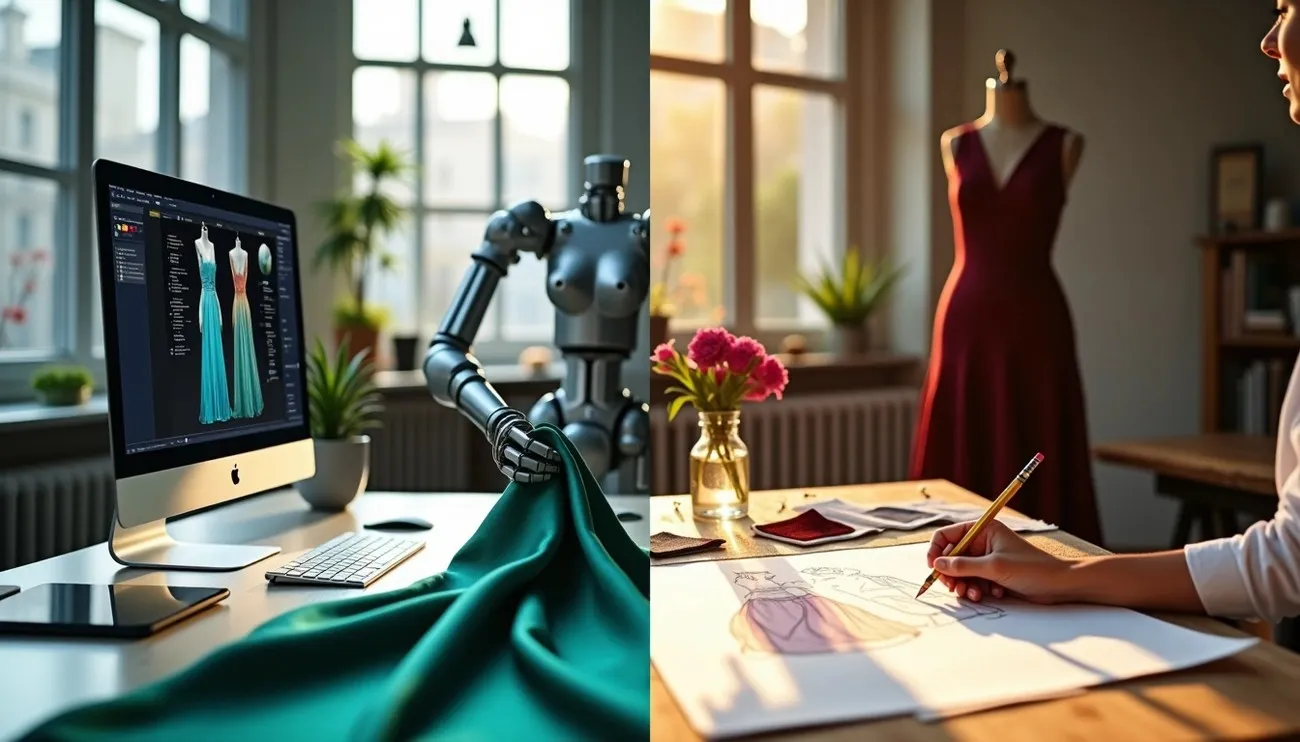
Fashion design focuses on creating garments and accessories that express trends, culture, and personality. Textile design, on the other hand, is about crafting the fabrics and materials that make fashion possible. Each path requires different skills, creativity, and technical knowledge together forming the backbone of the fashion ecosystem.
Understanding the Core of Fashion and Textile Design
Fashion and textile design represent two sides of the same coin in the design world. To make the right career choice, students should understand what sets these creative fields apart.
Fashion Design: The Art of Garment Creation
Fashion design blends artistry with functionality. Students at Vogue Institute of Art and Design, Bangalore learn to conceptualize and develop clothing collections from scratch. The process includes idea sketching, fabric selection, pattern making, and garment construction.
Every fashion designer brings imagination to life creating pieces that reflect culture, mood, and innovation. With training in areas like fashion illustration, color theory, and draping, students gain hands-on experience developing designs that make statements on the runway and in retail spaces.
Textile Design: The Science Behind Fabric Creation
Textile design forms the foundation of the fashion industry. It deals with developing new fabrics, textures, patterns, and prints using various techniques such as weaving, dyeing, and embroidery.
At Vogue Institute of Art and Design, textile design students work with fibers like silk, cotton, wool, and jute. They master both traditional and digital textile design methods, building expertise in color theory, print development, and eco-friendly materials.
While fashion designers bring garments to life, textile designers create the materials that make those garments possible.
How Fashion and Textile Design Intersect
Fashion and textile design professionals often collaborate. Fashion designers rely on textile experts to produce innovative materials that fit their vision. Textile designers, in turn, understand fashion requirements when developing fabrics.
The main difference lies in the outcome:
- Fashion designers create finished garments and accessories.
- Textile designers develop the fabrics that inspire those garments.
Skills and Curriculum at Vogue Institute of Art and Design
Fashion Design Skills: Creativity Meets Construction
Students in fashion design courses in Bangalore learn:
- Fashion illustration and sketching
- Draping and pattern making
- CAD and digital fashion tools (like CLO 3D, Illustrator)
- Fashion styling and trend forecasting
- Garment construction and finishing
Textile Design Skills: Innovation in Fabric Development
Students pursuing textile design courses in Bangalore master:
- Weaving and knitting
- Printing and dyeing techniques
- Surface ornamentation
- Textile chemistry and fiber science
- Sustainable textile innovation
Curriculum Highlights
Aspect | Fashion Design | Textile Design |
Core Focus | Creating garments and accessories | Creating fabrics, textures, and prints |
Key Tools | Adobe Illustrator, CLO 3D, Browzwear | Weave simulation, screen printing, looms |
Learning Topics | Costume history, trend analysis, fashion marketing | Fiber science, textile testing, eco-friendly materials |
Career Opportunities and Industry Scope
The Indian fashion and textile industries are expanding rapidly, opening exciting avenues for trained professionals.
Fashion Design Careers
Graduates can explore roles such as:
- Fashion stylist
- Merchandiser
- Costume designer
- Visual merchandiser
- Fashion buyer
Average Salary: ₹3–12 LPA
Top Locations: Bangalore, Mumbai, Delhi
At Vogue Institute of Art and Design, students gain real-world exposure through fashion shows, industry internships, and global collaborations that prepare them for creative leadership roles.
Textile Design Careers
Career paths in textile design include:
- Surface designer
- Colorist or print developer
- R&D expert
- Embroidery or dyeing specialist
Average Salary: ₹3–10 LPA
Work Settings: Textile mills, R&D departments, export houses
Fashion Design vs Textile Design: Key Differences
Aspect | Fashion Design | Textile Design |
Main Focus | Designing garments and accessories | Creating fabrics, textures, and prints |
Creative Tools | Sketching, draping, CAD | Weaving, dyeing, print simulation |
Career Scope | Fashion houses, retail brands | Mills, R&D centers, export houses |
Work Environment | Studios, fashion houses | Textile mills, design labs |
Skill Emphasis | Aesthetic creativity | Technical precision |
Choosing Between Fashion and Textile Design
Your career choice depends on your creative strengths:
- If you enjoy conceptualizing complete outfits and working with silhouettes fashion design is your path.
- If you’re fascinated by patterns, materials, and surface details textile design suits you best.
Both courses at Vogue Institute of Art and Design, Bangalore offer students a strong foundation in creativity and innovation with practical, industry-driven training. Whether you want to design iconic garments or invent the next-generation fabric, Vogue Institute equips you with the right skills and exposure.

Conclusion
Both fashion design and textile design courses in India open doors to exciting careers in a global industry that values creativity, innovation, and sustainability.
At Vogue Institute of Art and Design, Bangalore, students don’t just learn—they experience the entire design ecosystem firsthand. The institute’s advanced curriculum, industry mentorship, and international collaborations make it one of the best fashion design colleges in Bangalore.
Whether your dream is to create trendsetting garments or invent sustainable fabrics, your journey begins with quality education. Choose the course that aligns with your passion and take your first step toward a rewarding design career.
FAQs
Q1. What is the difference between fashion design and textile design?
Fashion design focuses on garment and accessory creation, while textile design deals with the development of fabrics, patterns, and textures.
Q2. Which has better career growth—fashion or textile design?
Both fields offer excellent opportunities. Fashion design connects you directly with trends and consumers, while textile design provides scope in innovation and manufacturing.
Q3. What are the job options after completing a design course at Vogue Institute of Art and Design, Bangalore?
Students can become fashion stylists, merchandisers, textile technologists, surface designers, or R&D professionals in leading brands and industries.
Q4. What is the average salary for fashion and textile designers in India?
Entry-level professionals earn between ₹3–5 LPA, while experienced designers can earn ₹10–12 LPA depending on expertise and industry demand.
Q5. Why choose Vogue Institute of Art and Design for design studies?
Because it’s among the top fashion and textile design colleges in Bangalore, offering industry-relevant training, cutting-edge infrastructure, and placement support for budding designers.