
Animation to Game Designer Career Path Guide
Here’s something that might surprise you: your animation skills are exactly what game studios are hunting for right now. India’s gaming industry is welcoming more than 450 million users by 2023, and the sector’s revenue is expected to reach US$10.06 billion by 2025, with user numbers climbing to 333.4 million by 2030. This rapid expansion means game studios need people who already understand how to bring characters and worlds to life.
You’ve spent years mastering visual storytelling, learning technical software, and developing that creative eye that separates good animation from great animation. Those skills? They’re exactly what game design demands. The transition feels natural once you know which steps to take.
I’ll show you the practical path forward, covering the specific skills you’ll want to add to your toolkit, the different game designer roles that match your background, what you can expect to earn at each level, and the strategies that actually work for landing those positions in 2026.
Why Animators Make Great Game Designers
You might wonder if your animation background really sets you up for game design success. The truth is, you’re already closer than most people who want to break into this field. Both animation and game design share the same creative foundation and technical requirements.
Transferable skills from animation
Think about what you do every day: 3D art, modeling, texturing, rigging, and animation workflows. Game studios need exactly these skills to create their assets. The connection runs so deep that enrollment in game development training has grown by 27% among animation and VFX professionals over the past two years. Your software knowledge transfers directly because game studios use the same tools you already know.
Remember those character rigs you’ve built? The way you make a character’s walk feel heavy or light, how you time a jump to feel believable? You understand weight, timing, and spacing through the 12 principles of animation – squash and stretch, anticipation, follow-through. Game animators use these exact same principles, but with a twist: instead of controlling what the audience sees frame by frame, you create systems that respond to player input.
When a player presses a button to make their character jump, your animation principles determine whether that jump feels satisfying or clunky. The difference between a great game and a mediocre one often comes down to these details you already understand.
Understanding visual storytelling
Your animation training taught you something game studios desperately need: how to tell stories without words. You know how a character’s posture reveals their emotional state, how lighting creates mood, how timing builds tension. Games rely heavily on visual storytelling because players often skip dialogue and cutscenes, but they’ll always notice how the world feels.
Every visual choice you make – from environment textures to character expressions to the way light hits a surface – communicates something to the player. Game design takes this further because you’re building worlds where players shape the story through their actions. Your intuitive understanding of how bodies move when characters feel scared, confident, or angry helps create believable game worlds. Players can tell immediately when character movements don’t match the emotions the game wants them to feel.
Technical software expertise
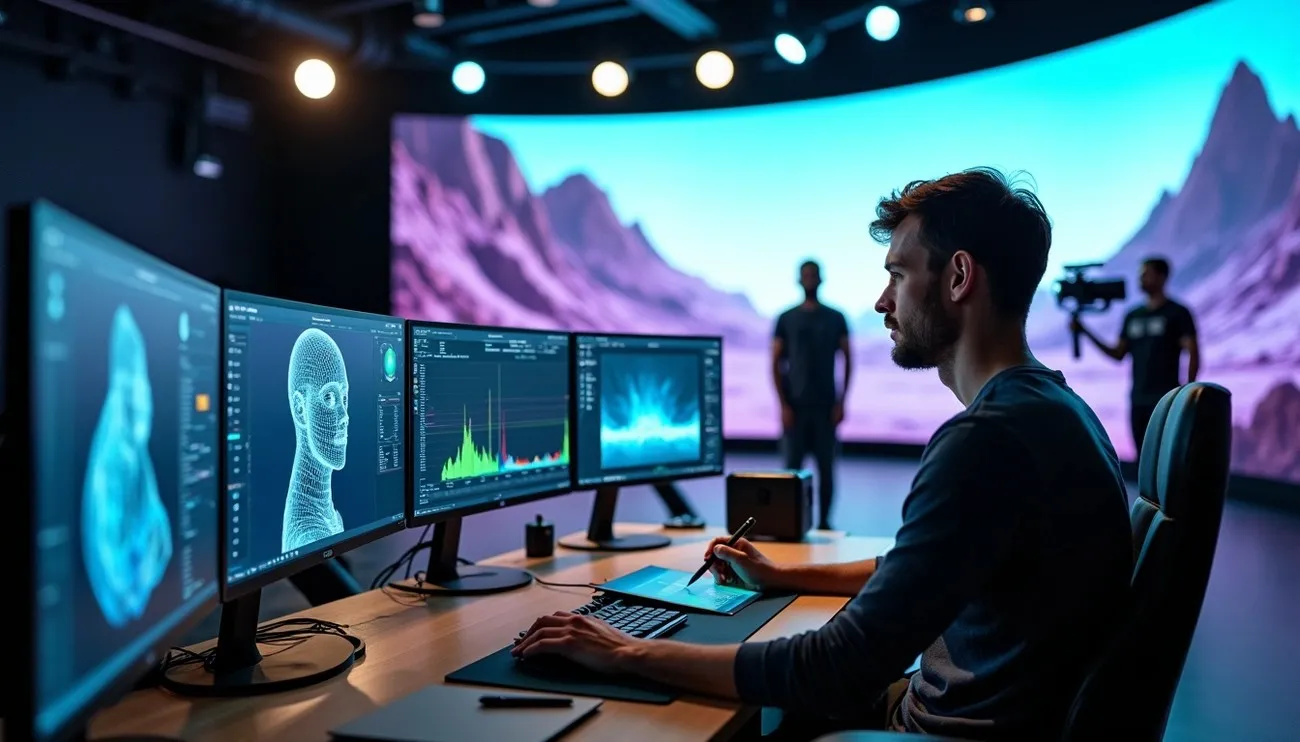
You already speak the language game studios use. Maya, Blender, 3DS Max, Toon Boom Harmony – these tools power game development just like they power your animation work. The rigging and character animation skills you’ve built in Maya translate directly to creating realistic game characters. Learning game engines like Unity or Unreal Engine feels natural when you already understand 3D software workflows.
Game engines use animation state machines to control how characters behave based on what players do – walking, running, jumping, fighting – and your animation experience helps you understand how these transitions should flow. Motion capture technology, where you record real human movements and translate them into digital characters, represents another area where your background gives you an immediate advantage.
The technical skills you’ve spent years developing aren’t starting over – they’re your foundation for everything that comes next.
Essential Skills and Training for Game Design
Your animation skills get you in the door, but game design asks for a broader toolkit. Think of it like learning to cook different cuisines – you already know knife skills and timing, now you’re expanding your recipe collection.
Core game design competencies
Game design starts with understanding what keeps players coming back. You’ll create experiences that feel rewarding, break complex ideas into simple systems, and work smoothly with developers who speak different creative languages. Reading player data becomes part of your daily routine – these numbers tell you what’s working and what needs fixing. Quick sketching helps you share ideas fast with your team. The real magic happens when you solve problems creatively while keeping players hooked.
Crafting stories that players actually care about takes practice. You’re building characters, plots, and worlds that stick with people long after they stop playing. Everything connects to everything else in game design – change one element and you’ll see ripples throughout the entire experience. User interface design often decides whether your game succeeds or fails, so getting this right matters more than most people realize.
Learning game engines and programming
Unity and Unreal Engine run most of the games you play. Unity works with C# and feels friendlier when you’re starting out. More than half of mobile games use Unity. Unreal Engine handles those stunning AAA graphics and includes Blueprints – think of it as visual programming for people who prefer pictures to code. C++ drives Unreal’s performance capabilities.
Python handles scripting and 2D game prototypes nicely. Java powers Android games. You don’t need to become a programmer, but understanding how code works helps you design better prototypes and communicate clearly with technical teammates.
Building your portfolio
Five strong projects beat twenty mediocre ones every time. Show 2 to 5 pieces that highlight different aspects of your abilities. Document your process – include early sketches, rough layouts, design documents, and final gameplay footage. Hiring managers want to see your thinking, not just pretty final results. Finish small projects instead of abandoning ambitious ones halfway through.
Formal education vs self-learning
About 80% of game industry professionals have college degrees. Formal programs give you structure, team experience, and professional connections that open doors. Self-learning gets you into specific roles like level design or scripting much faster. Most successful designers mix both approaches – they take targeted courses to fill knowledge gaps while building portfolio projects on their own schedule.
Game Designer Job Opportunities and Career Paths
The gaming world has room for different types of talents, and each career track plays to specific strengths. Knowing which opportunities match your animation background helps you focus your efforts where they’ll count most.
Game designer roles and responsibilities
Game designers shape the core experience—they develop concepts, mechanics, and the overall structure that makes games work. You’ll build gameplay systems, design levels, write storylines, and decide how players advance through the game. Most designers start by focusing on one area, like level design or sound design, then expand from there. Many people work their way up from quality assurance testing or programming after about five years in the industry.
Think of it like directing a film, except the audience gets to influence the story as it unfolds.
3D game artist positions
This path feels most natural for animators. 3D game artists build the characters, environments, props, and visual effects that bring games to life. Your day-to-day work includes creating high-quality models, setting up UVs and texture sets, making sure everything runs smoothly on different platforms, and importing assets into Unity or Unreal Engine. You can specialize as a character artist, environment artist, prop artist, technical artist, or VFX artist.
Your animation experience gives you a head start here because you already understand how these elements work together to create believable worlds.
UI/UX designer for games
UI/UX designers solve the puzzle of making games feel intuitive and fun rather than frustrating. You’ll design heads-up displays, create menus that make sense, and ensure players always know what’s happening. This role combines understanding player psychology with artistic skills and logical thinking.
Game programmer opportunities
Game programmers turn creative ideas into working code. You’ll work closely with design teams, build prototypes to test concepts, and maintain the code that keeps games running. Common specializations include gameplay programmer, UI programmer, and tools programmer.
Quality assurance and testing roles
QA testers catch problems before players do. You’ll play games extensively, document bugs, and make sure everything meets quality standards before release. While this is often an entry-level position, it gives you valuable industry exposure and can lead to design or production roles down the line.
Many successful designers started here because it teaches you to think like both a player and a developer.
Game Designer Salary and Industry Growth in 2026
Let’s talk about the numbers you’re probably wondering about. Game design salaries vary quite a bit depending on your experience level and where you choose to specialize. Getting a clear picture of these ranges helps you plan your transition realistically.
Entry-level game designer salary ranges
Starting out, you can expect entry-level positions to pay between $47,759 and $52,709 annually. Video game designers with less than one year of experience earn an average total compensation of $52,709. Once you hit that 1-4 year experience mark, your earnings typically climb to around $59,094.
If you’re looking at the Indian market, junior positions offer ₹3-12 lakh per year, with some internships at top studios paying up to ₹80,000 monthly. That’s a solid starting point, especially when you consider the growth potential ahead.
Mid-level and senior position compensation
Here’s where things get more interesting. Mid-level game designers earn approximately $125,726 per year. Senior designers can command between $74,612 and $110,337 annually. What’s encouraging is that professionals with 5-9 years of experience typically see a 15% salary increase.
For the Indian market, mid-career designers earn ₹8-20 lakh annually, while senior-level positions reach ₹20-40 lakh or more. The progression path becomes clearer when you see these numbers laid out.
Factors affecting your earning potential
Location makes a real difference in your paycheck. San Francisco designers earn around $74,668, while New York City positions average $59,486. AAA studios like EA, Ubisoft, and Blizzard offer higher base salaries with strong benefits.
Technical designers who can bridge both creative and programming areas typically earn more by filling that valuable gap. Keep this in mind as you decide which additional skills to develop. The industry does face increasing competition, with gaps in supply and demand for game design positions becoming more pronounced.
Conclusion
Your animation background gives you something most career changers don’t have: a head start. You already speak the visual language that games require. You understand how movement tells stories and how technical skills bring ideas to life.
The next steps are straightforward. Build a portfolio with 2-5 finished prototypes that show your design thinking. Pick either Unity or Unreal Engine and get comfortable with the basics. Choose a specialization that plays to your strengths – whether that’s 3D art, UI design, or core game mechanics.
The gaming industry needs people who can bridge creativity with technical execution. That’s exactly what your animation experience has taught you to do. Take these skills, add the game-specific knowledge, and you’ll find doors opening that many other candidates can’t access.
Start building your first game prototype this week. Your future self will thank you for taking that first step today.
FAQs
Q1. What salary can game designers expect to earn in 2026?
Game designer salaries in 2026 vary significantly by experience level. Entry-level positions typically range from $47,759 to $52,709 annually, while mid-level designers earn approximately $125,726 per year. Senior game designers can command between $74,612 and $110,337 annually. Location also plays a major role, with designers in cities like San Francisco earning around $74,668 compared to $59,486 in New York City.
Q2. Is game design still a realistic career path in 2026?
Game design remains a viable but highly competitive career in 2026. The gaming industry is experiencing significant growth, with India’s market expected to reach over 450 million users and revenue surpassing $10 billion. However, the job market is challenging, particularly for junior positions, as studios typically prefer experienced designers. Success requires building a strong portfolio, developing multiple skills beyond pure design, and demonstrating both technical capabilities and creative vision.
Q3. How long does it take to become job-ready as a game designer?
The timeline to become job-ready varies based on your learning approach and existing skills. Approximately 80% of gaming professionals hold college degrees, which typically take 3-4 years. However, self-learning can provide faster entry for specific roles like gameplay scripting or level design. The key is demonstrating potential through a portfolio of 2-5 completed projects that showcase your design process, rather than just academic knowledge. Many successful designers combine formal education with independent portfolio building.
Q4. Will AI replace game designers in the future?
AI is unlikely to fully replace game designers, particularly at senior levels. While AI can assist with code generation and asset creation, it cannot replicate the creative decision-making, systems thinking, and understanding of player psychology that designers provide. Game design requires taste, experience from past mistakes, and the ability to create engaging player experiences skills that AI currently cannot replicate. Designers who understand why games are fun and can make informed creative decisions will remain in demand.
Q5. What skills do animators need to develop when transitioning to game design?
Animators transitioning to game design should focus on learning game engines like Unity or Unreal Engine, understanding basic programming concepts (particularly C# for Unity or C++ for Unreal), and developing core game design competencies such as systems thinking and UI/UX design. Building a portfolio with 2-5 completed game prototypes is essential. Your existing animation skills in visual storytelling, character movement, and technical software expertise already provide a strong foundation that translates directly into game development work.