
Fashion in India 2026
Fashion in India is undergoing a transformation. Gen-Z shoppers drove this change and value authenticity over brand names and sustainability over fast fashion. This generation’s digital-first approach and eco-conscious mindset are reshaping how we think about style. Sustainable fashion is gaining traction, with fashion trends in India now emphasizing ethical production and fusion wear. We’re also seeing trending fashion for women blend traditional textiles with contemporary cuts. In this piece, I’ll walk you through the latest trends in fashion in India, Gen-Z fashion influences, career opportunities, and why these changes matter for the industry’s future.
Understanding the latest trends in fashion in India for 2026
What defines a fashion trend in 2026
Trend forecasting operates on two distinct timelines. Micro-trends last anywhere from a few months to a year and capture quick changes in consumer priorities. Macro-trends extend over longer periods and reflect deeper changes in lifestyle and how society functions. Fashion forecasters predict colors, patterns, fabrics, textures, materials, prints, graphics, and street styles that will appear on runways and in stores during upcoming seasons.
The process involves understanding a business’s vision, profiling target customers, collecting merchandise information, and determining which trends line up with specific audiences. Fashion trends tend to repeat themselves every 20 years. This creates cyclical patterns that experienced forecasters track and anticipate.
Key factors influencing fashion choices
Cultural and social changes shape fashion trends in India more powerfully than ever before. Lifestyle changes, political climates, and social attitudes influence what people wear. Art movements, films, and music also inspire new directions. Technological advancements in materials and sustainable production methods create game-changers for the industry.
Indian consumers have moved past logo-chasing. They now ask straightforward questions: Is this product worth the price? Will it last beyond one season? Can I wear it in daily life? This mindset change has sparked a value-driven fashion boom as Tier-2 and Tier-3 cities emerge as major markets. Shoppers in smaller cities want branded fashion in India, but they put trust, comfort, and durability over fleeting trends.
The affordable premium segment has responded by offering superior fabrics, cleaner design elements, and improved fitting without expensive costs. These fashion brands in India focus on quality where it matters most: fabric strength, comfort, stitching, and fit rather than excessive marketing. Conscious consumption drives this change as shoppers recognize waste and overproduction problems.
The role of technology in trend forecasting
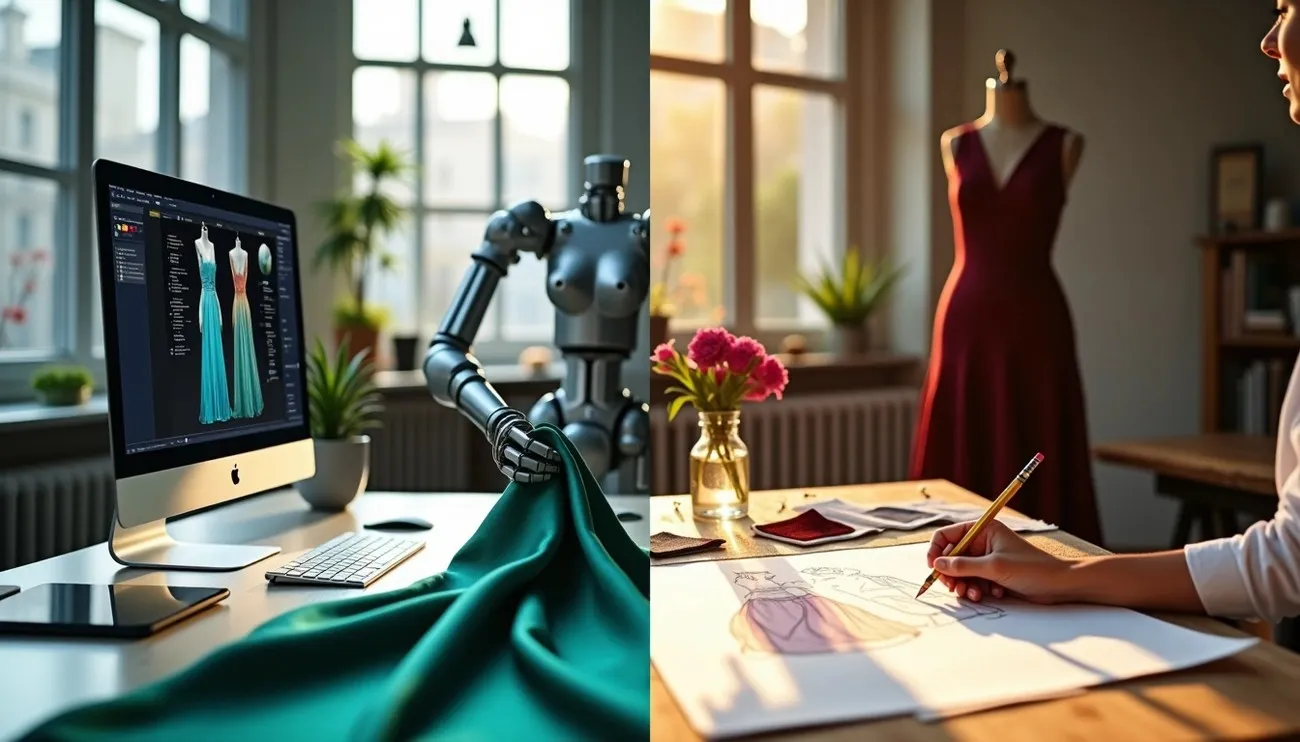
AI algorithms have replaced traditional methods like trade shows and historical sales analysis. These systems process and interpret social media signals to predict fashion trends India with remarkable accuracy. Platforms using deep learning analyze millions of images and provide practical insights to brands.
Three types of analytics power fashion forecasting: descriptive analytics summarizes past data and observes previous trends, predictive analytics uses historical data to forecast future movements, and prescriptive analytics guides future decisions. Data modeling, seasonality analysis, and linear regression models help analysts predict not just trends but their duration and popularity.
AI integration into Enterprise Resource Planning and Product Lifecycle Management systems makes predictive inventory management possible. AI models identify emerging demands with high accuracy by analyzing live data from social media activity, e-commerce behavior, and global events. This predictive power can reduce inventory waste by up to 50%. It will give product availability when customers want them.
Social media platforms, influencer posts, and global events drive quick changes in consumer priorities. AI-powered tools allow brands to adapt offerings quickly, whether introducing new styles based on influencer trends or ramping up production for popular colors. Fashion trends in India can be tracked and responded to with unprecedented speed and precision for this reason.
Gen-Z fashion and its impact on Indian style
Gen-Z shoppers have fundamentally altered how fashion in India gets found, purchased, and worn. This generation operates on different principles than their predecessors, and understanding their approach matters for anyone tracking current fashion trends in India.
Digital-first shopping habits
Social platforms influence the purchasing decisions of nearly 90% of Gen-Z consumers. Their shopping trip starts well before they visit physical stores and often begins with Instagram Reels, TikTok videos, and creator content. They want to see how clothing moves, fits, and feels in real-life contexts rather than static mannequin displays.
Research patterns reveal savvy behavior. Gen-Z shoppers compare prices across apps, add items to wishlists, and take time before hitting ‘buy’. They check social media first, seek algorithm-driven recommendations, and rely on peer-generated content and unfiltered influencer reviews. Brands must meet them where they scroll since 92% enjoy finding fashion inspiration online.
Authenticity over brand logos
Gen-Z fashion rejects logo-chasing. An estimated 47% of India’s total spending on fashion and lifestyle goods comes from Gen-Z, yet they assess brands through lived experience and emotional relatability rather than luxury associations. Brand actions or reputation have changed the buying decision of 81%.
They ask direct questions: Who made my clothes? Was it fair? Is it biodegradable?. Sustainability isn’t a bonus anymore but a filter, with 64% willing to pay premium prices for sustainable fashion. Environmental and ethical concerns now guide the fashion choices of 75% rather than brand names alone.
Mixing vintage with contemporary
Thrifting has evolved from budget necessity to cultural statement. A 2020 survey found that 75% of Gen-Z users cited reducing consumption as their reason for shopping secondhand. Vintage pieces offer uniqueness that mass production can’t replicate, and “Thanks, it’s vintage” has become the ultimate flex.
Indian Gen-Z adds local flavor by pairing kurtas with sneakers, sarees with crop tops, and jhumkas with streetwear outfits. This fusion creates looks that feel fresh while remaining rooted in culture. Platforms like Curated Findings and Relove have surged in popularity and prove that pre-loved fashion doesn’t compromise esthetics.
DIY and personalization trends
We’re entering a design-it-yourself era where customers make marks on their clothing. Thrift flipping has exploded on TikTok and YouTube, where vintage garments get cut, sewn, and reassembled according to personal taste and size. This practice combines creativity with sustainability and reduces waste while supporting self-production.
Painted denim jackets, custom distressed jeans, and printed tees tell personal stories. Customization feels luxurious because nothing fits better than outfits tailored to individual priorities. This co-creation culture has inspired creators to launch custom clothing brands.
Social media as style inspiration
Esthetics function as digital identities shaped by Instagram Reels and Pinterest mood boards. Algorithms reward niche esthetics and encourage micro-trends that blend global inspiration with Indian sensibilities. Esthetic choices influence dating profiles, job portfolios, and campus popularity for Gen-Z.
Influencers from Tier-2 and Tier-3 cities now shape style from their hometowns without relocating to Mumbai. The catwalk has moved to phone screens and makes social media outshine traditional runways.
Comfort meets statement fashion
Comfort and practicality matter more than style trends when choosing what to wear for 60% of Gen-Z respondents. Gen-Z spends over 7 hours on screens each day, and when physical clothing feels restrictive, the contrast with digital freedom becomes obvious. Oversized silhouettes, slouchy cargos, and gender-neutral pieces fill their closets.
Comfort isn’t about softness alone but about not being hyper-aware of your body all day. Sneakers replace heels, and fits say “I came to vibe, not to impress”. This change reflects broader awareness around mental health and body positivity and makes everyday wear both stylish and livable.
Top fashion trends India is embracing right now
Several defining movements are reshaping what people wear in Indian cities of all sizes. These fashion trends India is witnessing right now stem from deeper shifts in values, identity, and environmental awareness.
Sustainable materials and ethical production
Organic cotton, hemp, and bamboo fabrics are replacing synthetic alternatives. They breathe better and benefit the environment. Handwoven khadi has been used for generations. Designers are modernizing it for both traditional and casual wear to make these fabrics relevant for younger audiences. Many traditional costumes were handwoven, dyed with natural colors, and made from eco-friendly fibers long before sustainability became a marketing term.
Linen uses 60-70% less water than conventional cotton. This makes it a practical choice for India’s climate. Designers now work with weavers and artisans to blend old techniques with new silhouettes. They keep traditions alive while appealing to contemporary sensibilities. Ethical clothing manufacturers emphasize fair wages and safe working conditions. They also prioritize transparency in supply chains.
Traditional textiles in modern silhouettes
Pre-draped sarees with belts and cape-style blouses deliver that complete look in minutes. They respect tradition while working for modern life. Lehengas now pair with crop tops instead of traditional cholis. Jacket-style designs let you remove layers when you want to move freely. Kurta sets feature straight cuts with palazzo trousers or sharara sets. Movement and comfort come first.
Mixed fabric combinations create unique textures: velvet with net, or tissue with organza. Banarasi silk sarees remain treasured for their lustrous silk and intricate zari patterns. Bandhani and Kota Doria showcase traditional tie-dye artistry and lightweight weaves.
Maximalist jewelry and accessories
Stacking bangles has evolved beyond matching metals. People now mix heirlooms with contemporary designs and ornate cuffs with pared-back pieces. Traditional gold kadas and temple-inspired designs now appear next to sharp tailoring and sleek silhouettes. Heritage works as well with crisp shirts as with sarees. Chunky chokers, wide cuffs, and oversized rings dominate. “More is more” has become the guiding principle.
Streetwear influences in Indian fashion
Streetwear is casual fashion stemming from urban subcultures. Loose fits, bold graphics, and premium limited editions mark this style. Indian streetwear brands like Jaywalking, Bluorng, Urban Monkey, Bonkers Corner, and Almost Gods are expanding this category. Oversized t-shirts and sweatshirts offer relaxed fits and effortless looks that work for college wear and casual outings.
Regional styles going mainstream
Northeast labels are translating heritage-rich textiles into modern wardrobes. They merge meticulous handwork with silhouettes that speak a global fashion language. Designers work with women artisans and create pieces shaped by community hands and generational wisdom. Regional weaving traditions from Assam, Punjab, Himachal Pradesh, Gujarat, and Rajasthan are finding contemporary expression through designers who respect cultural roots while adapting to modern lifestyles.
Fashion designer salary in India and career growth in 2026
A career in fashion in India offers high financial rewards, especially when the industry expands beyond metros into Tier-2 and Tier-3 cities. Compensation structures help aspirants make informed decisions about their professional trajectory.
Current salary trends for fashion professionals
Entry-level designers earn between ₹2.5-4 LPA. Monthly salaries range from ₹20,000-30,000. Graduates from reputed institutes or those with strong portfolios start on the higher end, especially in Mumbai, Delhi, and Bangalore. Mid-level designers with 3-6 years of experience command ₹5-9 LPA and earn around ₹50,000-1,00,000 monthly.
Senior designers and creative leads reach ₹12-30+ LPA. Top fashion houses like Sabyasachi and Manish Malhotra offer senior designers between ₹20-50 LPA or more. Freelance designers earn ₹3-8 LPA depending on client base and reputation. Project-based income ranges from ₹20,000 to ₹2 lakhs per assignment.
Geographic location affects earnings by a lot. Mumbai offers the highest fashion designer salary in India due to Bollywood presence and premium retail concentration. Tier-1 cities provide much better compensation than smaller markets.
Skills that command premium pay
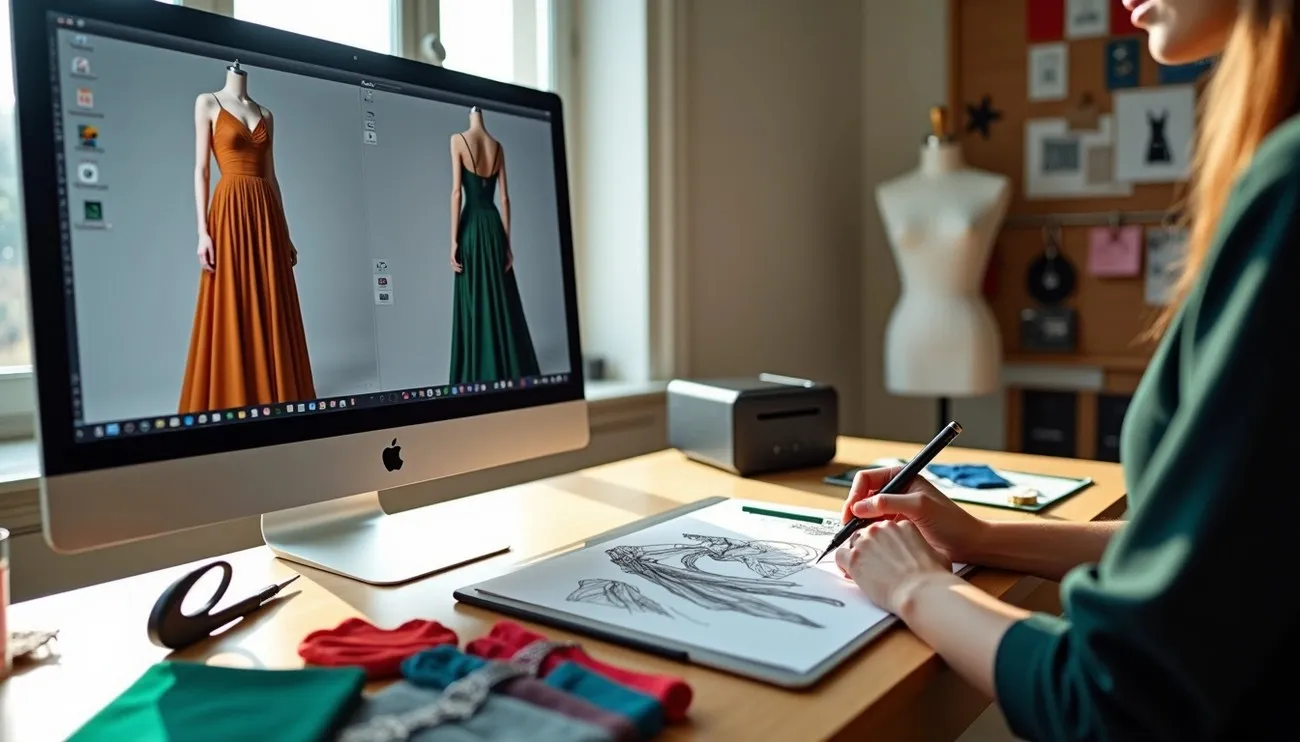
Specializations in luxury, sustainable, and technical fashion earn higher salaries. Mastery of Adobe Illustrator, CLO 3D, and Photoshop makes candidates stand out. Upskilling can increase negotiation power by 20-40% during job switches. Strong portfolios boost salary potential directly, while degrees from institutions like NIFT secure better starting packages.
Niche expertise in sportswear, ethnic wear, or sustainability leads to 20-30% higher pay. Designers who combine creative vision with technical proficiency command premium compensation.
Emerging career paths in fashion industry
Fashion merchandisers manage product assortments and inventory planning. They earn ₹3-4.5 LPA initially and ₹10-18 LPA at senior levels. Fashion stylists earn ₹3-5 LPA, with celebrity stylists commanding ₹25,000 to ₹1 lakh+ per project. Textile designers specializing in prints and patterns earn ₹4-7 LPA.
Design directors represent the highest designation and earn ₹23 LPA on average with top salaries reaching ₹70 LPA. Fashion marketing and PR professionals start at ₹3 LPA and can reach ₹26-28 LPA with experience. Entrepreneurship offers unlimited potential, with successful label owners earning ₹10-50 LPA+ annually.
What makes these recent trends in fashion significant
These shifts in fashion trends in India carry weight beyond esthetics. They signal changes in how commerce operates, how culture gets preserved, and how Indian design claims global space.
Consumer behavior shifts
Consumers continue rethinking their spending and seek value while devoting more budgets toward personal well-being and longevity. Customer loyalty has emerged as a frontline battle, with over half of executives citing retention strategies as a theme shaping the industry in 2026. The jewelry market thrives as a result and is forecast to be the fastest growing category by unit sales, growing at more than four times the rate of clothing. The secondhand fashion and luxury market is forecast to grow two to three times faster than the firsthand market through 2027.
Brand positioning strategies
The midmarket is now the fastest-growing segment and replaces luxury as fashion’s main value creator. Value-segment brands lifted their products and store experiences. Luxury players raised prices without corresponding quality improvements. Brand equity develops through consistency rather than short-term launches over the long term.
Cultural preservation through fashion
Traditional textiles serve as living archives. Indian craft stimulated global luxury from behind the scenes for decades. Artisans in rural communities need upskilling to preserve heritage techniques.
Future of Indian fashion on global stage
India is trending hard. International celebrities including Shakira, Cardi B, and Beyoncé now wear Indian couture regularly. The world moves towards India just as Indian designers step outward. Indian fashion shapes the frame rather than asking to be seen.
Conclusion
Fashion in India has moved beyond seasonal cycles to represent deeper values around sustainability, cultural pride and authentic expression. Gen-Z shoppers are rewriting the rules and choose quality over logos. They demand transparency from brands. These changes create ground opportunities to aspiring designers. Career paths are expanding and salaries are becoming more competitive.
Traditional crafts are finding new life through contemporary silhouettes. Our heritage remains relevant. The world is watching India’s fashion rise, and this is just the beginning. Whether you’re a designer or enthusiast, now is the time to welcome these changes and participate in shaping what comes next.
FAQs
Q1. What salary can fashion designers expect in India in 2026?
Entry-level fashion designers typically earn between ₹2.5-4 LPA (₹20,000-30,000 monthly), while mid-level professionals with 3-6 years of experience command ₹5-9 LPA. Senior designers and creative leads can earn ₹12-30+ LPA, with top fashion houses offering ₹20-50 LPA or more. Freelance designers earn ₹3-8 LPA depending on their client base and reputation.
Q2. How is Gen-Z influencing fashion trends in India?
Gen-Z shoppers prioritize authenticity over brand logos, with 47% of India’s fashion spending coming from this generation. They favor sustainable materials, mix vintage pieces with contemporary styles, and rely heavily on social media for inspiration. Nearly 90% say social platforms influence their purchasing decisions, and they value comfort, ethical production, and personalization over traditional luxury branding.
Q3. What are the most popular sustainable materials in Indian fashion right now?
Organic cotton, hemp, and bamboo fabrics are gaining popularity due to their breathability and environmental benefits. Handwoven khadi is being modernized for contemporary wear, while linen is favored for using 60-70% less water than conventional cotton. Designers are also working directly with artisans to incorporate traditional, naturally-dyed, eco-friendly textiles into modern silhouettes.
Q4. Which skills help fashion designers earn higher salaries in India?
Mastery of design software like Adobe Illustrator, CLO 3D, and Photoshop can increase negotiation power by 20-40%. Specializations in luxury, sustainable, and technical fashion command premium pay, while niche expertise in sportswear, ethnic wear, or sustainability can lead to 20-30% higher compensation. Strong portfolios and degrees from reputed institutions like NIFT also secure better starting packages.
Q5. Why are traditional Indian textiles becoming popular in modern fashion?
Traditional textiles are being reimagined through contemporary silhouettes like pre-draped sarees with belts, lehengas paired with crop tops, and kurta sets with palazzo trousers. Designers are blending heritage fabrics like Banarasi silk, Bandhani, and Kota Doria with modern cuts to create pieces that respect cultural roots while appealing to younger audiences who value both tradition and practicality.