
Future of Interior Design with AI
Interior design is definitely undergoing a profound transformation. It’s surely come a long way since its inception and is right now in its revolutionary phase. Today, AI has changed the face of every industry. With technology advancing at a very fast pace, clients want more than just aesthetics. For interior designers, this is no longer a challenge as it once used to be because now everything is available at the fingertips. AI has completely changed the way spaces are planned and executed. If you’re someone who is pursuing a top interior design course in India, knowing the capabilities of AI is no longer an option, it’s a necessity.
In this blog, we’ll delve deep into the future of interior design with AI and how it’s impacting the way designers work and the spaces they create.
Definition of AI in Interior Design
Artificial intelligence (AI) in interior design might sound quite self-explanatory. However, at its core, it refers to the use of machine learning, data analytics, and automation tools that enhance an interior designer’s design process. At no stage does AI aim to replace the skills and capabilities a designer possesses. It will only enhance their work and make difficult tasks easier. Whether it’s generating layouts or selecting materials, AI is now a creative partner of every new-age interior designer.
Current State of Interior Design with AI
There is a common misconception that AI is replacing traditional processes. When it comes to interior designing, traditional approaches still hold good. A few advantages of manual processes are that they are hands-on, and involve craftsmanship. Though technology has entered the industry, traditional processes are still valued for their timeless aesthetic and attention to detail. With that being said, AI has a profound impact in interior designing and decoration. Let’s find out:
Better & Smarter Space Planning
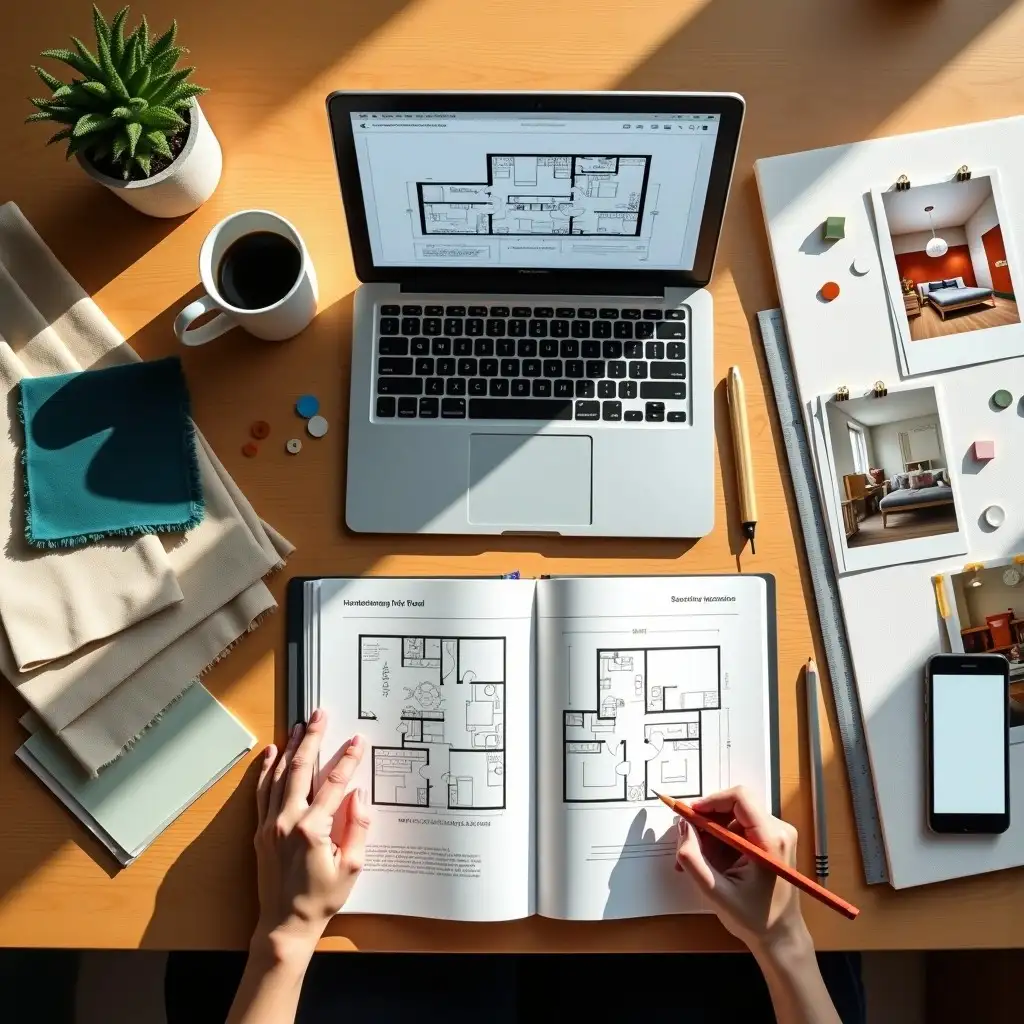
AI can help with analysing the layout of a room. It can understand its dimensions, and take into account the client’s design preferences. Whether it’s floor plans or layouts, it can be generated in seconds with AI. This considerably reduces the number of hours spent on drafting. Designers too can show the form and function of the room immediately to the client after receiving the brief. AI also helps with optimising space usage, furniture placement and lighting arrangements.
Trend Prediction
AI helps with trend prediction and personalization. AI analyses vast amounts of data, global design trends and social media posts to predict what styles will be popular. After receiving a brief from the client, designers usually prepare a presentation. AI has just made this easier. It not just streamlines the design process but also helps with better visualisation, spatial planning and mood board generation. Besides suggesting trends, AI can also analyse a client’s lifestyle and habits.
Rise of Generative Designs
In generative design, interior designers will input specific goals and allow AI to generate multiple design options. The goals or parameters can be anything – maximise natural light, ensure acoustic comfort or minimal furniture. Based on the client brief and your experience, you can enter certain parameters, and allow machine learning models to produce multiple design options that meet those prerequisites. The options generated will be something you would have never even imagined. While it automates the entire process, it also results in co-creation. With AI, human limitations cease to exist. The kind of layouts, materials and forms generated will be something no interior designer would ever be able to conceive on their own.
Quicker Rendering & Visualisation
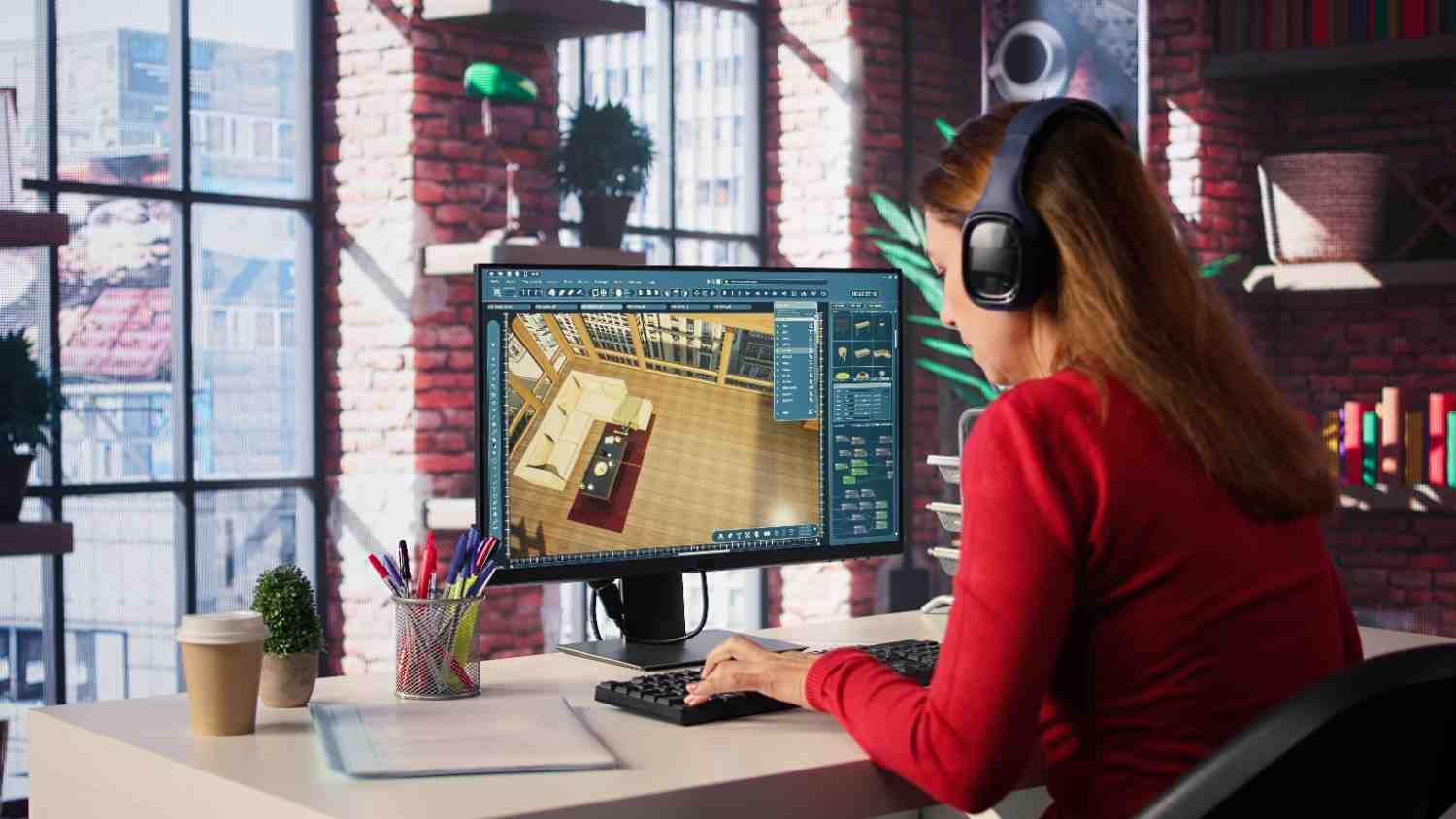
Interior designers can also feed in their design concepts into AI-enhanced rendering engines. Rendering tools instantly create photorealistic images of the concepts in minutes. There is no waiting time and your clients too will be able to see what the final product will look like once the interiors are ready. This is truly a breakthrough and gamechanger for students who are working on portfolios and client mock-ups. Also, creating detailed 3D models can be a time-consuming task. AI can automate this too by quickly generating 3D models and renderings. Interior designers have found this pretty helpful as they get to spend more time doing creative stuff and less time on technical drawings.
VR, AR & Mixed Reality Spaces
Interior design surely extends beyond physical spaces with AI. However, VR, AR and mixed reality also have a crucial role to play as far as interior designing is concerned. For instance, designers can prototype entire environments in VR and then use AR to give clients a virtual walkthrough of what the design will look like before the real work starts. For example, if a client chooses a certain wall colour, they can get a walkthrough of what their home or office would look like. In case they don’t like it, it can instantly be changed. AR overlays help in reskinning rooms, changing the mood or décor, and more. All this can be done without even lifting a finger. Spaces will be more fluid and realities are morphed too. In interior designing today, virtual staging has become a norm.
Final Words
While AI is incredibly powerful, budding interior designers must note that AI cannot replace the power of the human mind and touch. Interior designing is all about storytelling and understanding the client’s requirements. AI is only here to support your creativity, not replace it. With that being said, AI is an incredible partner that can enable a faster workflow and better creative exploration. AI can also help new-age designers master tools quicker. Vogue Institute of Art & Design is the top institute for interior designing in India.