
Is Jewelry Design a High-Paying Creative Career?
Introduction
The numbers might catch you off guard. Creative director roles in jewelry design can pay between £60,000 to £100,000. That’s real money for doing what you love – creating beautiful pieces that people treasure.
Here’s what makes this even more interesting: the global jewelry market is heading toward $480 billion by 2030. More people want unique, well-designed pieces, which means more opportunities for talented designers like you.
What really stands out is how flexible this career can be. About 40% of jewelry designers work for themselves, setting their own schedules and choosing their projects. You could work in a studio, start your own business, or freelance for multiple brands.
Maybe you’re wondering about the practical stuff – what you’d actually make each month, how to break into the field, or whether jewelry designer salary expectations match reality in different places. Those are smart questions.
This guide walks you through the real earning potential, from your first job to senior positions. You’ll see what’s actually possible, not just the glossy career website promises. That way, you can decide if this creative path makes sense for both your passion and your bank account.
What Does a Jewelry Designer Do?
Think of yourself as part artist, part engineer, part business person. You’re not just sketching pretty rings all day – though that’s definitely part of it. Your work spans from initial concept meetings to the final polish on a finished piece.
Core responsibilities of a jewelry designer
Every project starts with a conversation. You sit down with clients or brand teams to understand what they really want – is this for a wedding, a gift, everyday wear? What’s their budget looking like? Do they love vintage styles or prefer something modern? These details shape everything that comes next.
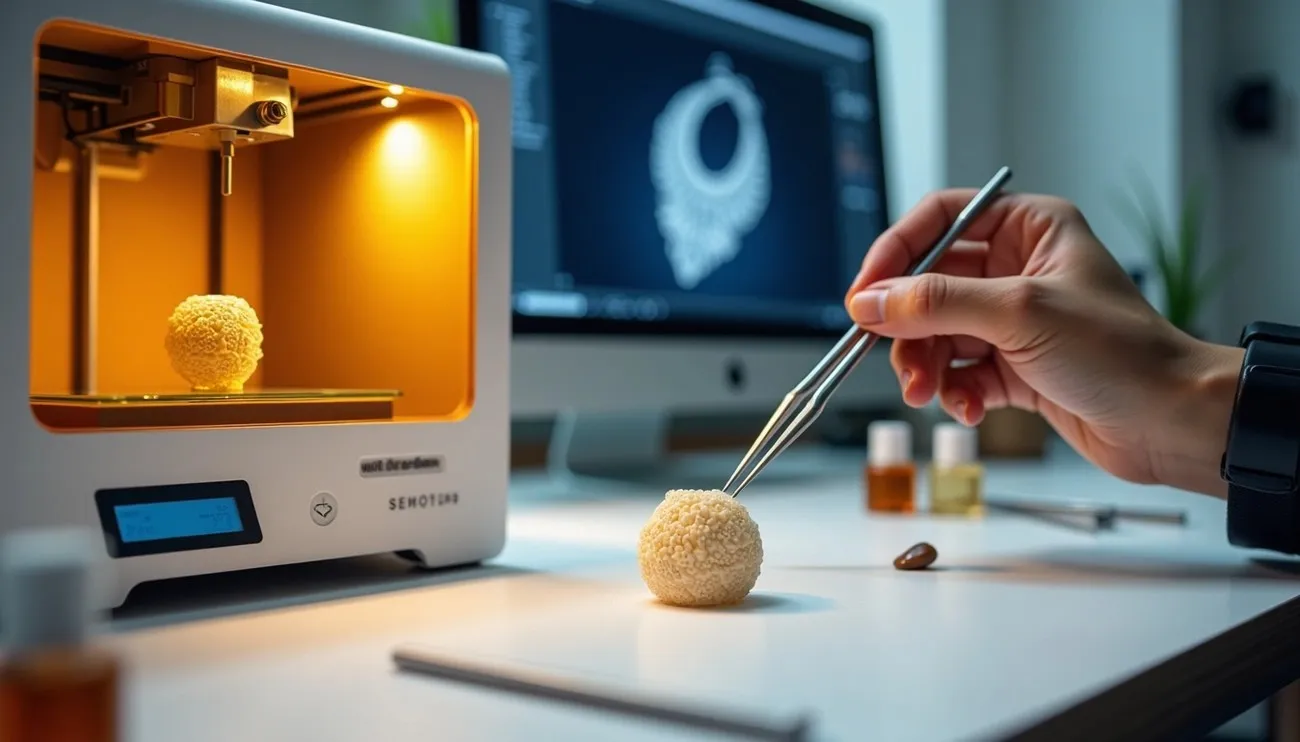
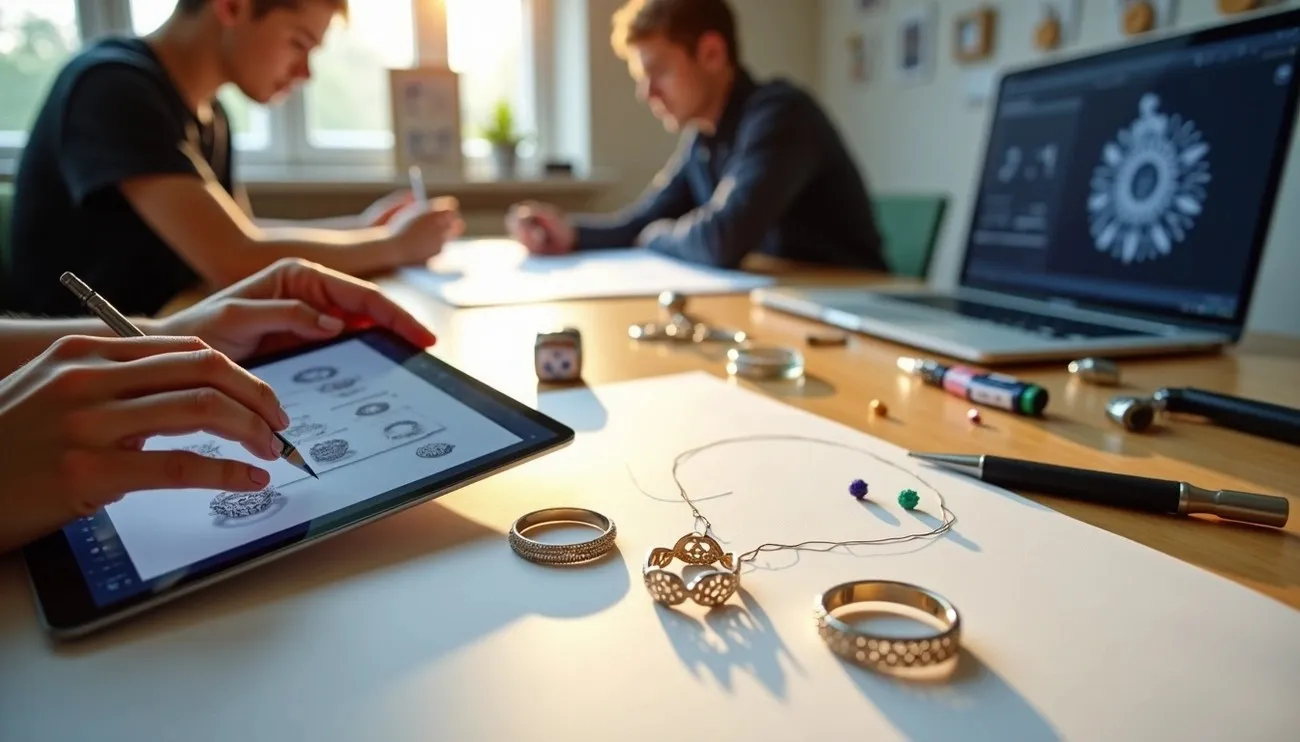
Then comes the creative work. You might start with pencil sketches, capturing ideas as they flow, before moving to CAD software to create precise digital models. Once you have a design that feels right, you build prototypes to test how it actually wears – does it catch on clothing? Is it comfortable for daily use?
The hands-on work gets technical quickly. You’ll cut and shape precious metals, set stones with precision that would make a watchmaker proud, and master techniques like soldering to join pieces seamlessly. Mounting creates the structure that holds everything together, while stone setting ensures each gem sits exactly where it should. The final polishing transforms rough metal into something that catches light beautifully.
You’ll also learn specialized techniques like enameling – imagine fusing powdered glass to metal to create vibrant colors. Engraving lets you add personal touches, while electroplating can layer different metals for unique effects. Quality control becomes second nature as you check every detail from first prototype to final approval.
Working at larger companies adds another layer. You might oversee production runs, coordinate with silversmiths and suppliers, or train newer team members. Marketing your creations through social media and product launches often becomes part of your weekly routine.
Working as a self-employed vs in-house designer
Going freelance gives you control over your schedule and the projects you accept. You’ll find yourself at craft fairs on weekends, entering design competitions, and networking at industry events – all part of building your reputation. The big advantage? Everything you create belongs to you. You can sell designs to manufacturers or craft pieces yourself for galleries, online shops, or direct sales.
Company life offers different rewards. Your designs become company property, but you get steady paychecks and collaborate with skilled teams on materials selection and manufacturing processes. It’s the classic trade-off: financial security versus creative independence.
Different specializations within jewelry design
You can focus your skills in several directions. Fine jewelry uses precious metals and gems, while costume jewelry emphasizes style and affordability. Some designers specialize purely in accessory design. CAD specialists create detailed digital models and 3D renders without touching a single tool.
Gemology opens another path entirely. With proper certification, you evaluate gemstones and grade diamonds using the famous 4Cs criteria. Visual merchandising takes your design eye in a different direction – creating store layouts and window displays that make people stop and look.
Each specialization has its own earning potential and lifestyle. The key is finding where your interests and market demand intersect.
Jewelry Designer Salary: How Much Can You Earn?
Your paycheck depends on several things you can actually control – where you work, how much experience you have, and whether you’re working for someone else or building your own business.
Starting salary for jewelry designers
When you’re just starting out in India, expect to make between ₹1,14,800 to ₹3,00,000 per year. That breaks down to about ₹20,000 to ₹41,000 each month – enough to get by while you learn the ropes.
If you’re looking at the UK, new designers typically start around £22,000 to £25,000 after completing their training. Apprentices get at least the National Minimum Wage for their age group, which gives you a safety net while you build your skills.
Experienced jewelry designer salary per month
Here’s where things get more interesting. After 3-6 years in India, you’re looking at ₹4.9 Lakhs to ₹5.6 Lakhs annually. That’s roughly ₹28,000 to ₹40,000 monthly – a solid middle-class income.
Stick with it for 10-20 years, and senior designers can earn ₹6,38,500 to ₹9,00,000 per year. The UK follows a similar pattern, with experienced designers making £35,000 to £40,000. The top performers in India – we’re talking the best 10% – pull in more than ₹7.2 Lakhs yearly.
Jewelry designer salary in India and other countries
Location matters more than you might think. Bengaluru pays the best in India, with salaries hitting ₹4.2 Lakhs to ₹5.5 Lakhs annually. Mumbai comes close at ₹4 Lakhs to ₹4.5 Lakhs.
Looking beyond India, South African designers average around R168,000. Remember those UK creative director roles we mentioned earlier? They can reach £60,000 to £100,000 – serious money for the right position.
Self-employed vs employed designer earnings
Freelance designers in India typically earn ₹4 Lakhs to ₹4.5 Lakhs yearly. But here’s the thing about working for yourself – you set your own rates. The successful freelancers can make ₹1 lakh monthly.
The reality check? Building a freelance career is tough at first. Most people need other income sources while they establish themselves.
Factors that affect your earning potential
Your skills, reputation, and business sense determine your earning power. CAD designers command premium rates because of their technical expertise – anywhere from ₹1,80,000 to ₹9,00,000 annually.
Working for prestigious brands like Tanishq opens doors to higher pay. If you’re freelancing, your ability to market yourself and find clients directly impacts your income. It’s not just about being talented – you need to be visible too.
How to Become a Jewelry Designer
Getting started in jewelry design means building the right foundation of education, skills, and connections. Think of it like assembling a toolkit – you need several pieces to make it work.
University degrees and qualifications needed
Your educational path has several options. A foundation degree, higher national diploma, or full degree in jewelry design, silversmithing, or design crafts all work. Most programs want a foundation diploma in art and design first, plus 1-2 A levels for foundation degrees or 2-3 A levels for bachelor’s programs.
If you’re in India, a BSc in Jewelry Design takes three years, while B.Des programs run four years. Budget-wise, you’re looking at ₹50,000 to ₹3,00,000 in India, or ₹1 Lakh to ₹5 Lakhs per year depending on where you study.
College courses and apprenticeships
College courses in art and design, design crafts, or T Level in Craft and Design give you another route in. T Level entry needs 4-5 GCSEs at grades 9-4, including English and maths.
Apprenticeships offer something special – you earn money while learning. The Jewelry, Silversmithing and Allied Trades Professional Level 3 program mixes paid work with part-time study. The British Academy of Jewelry and Goldsmiths’ Company run apprenticeships for people aged 16-24.
Building your portfolio
Your portfolio tells your story, so make it count. Include 12-20 pieces that show how you think and create, not just your final results. Add final designs, sketched ideas with notes, sketchbooks full of development work, moodboards, and written thoughts about each piece.
Document everything as you go. Write down the title, when you made it, what materials you used, what inspired you, and which techniques you tried. Keep both digital files and physical versions – you’ll need different formats for different situations.
Essential skills for jewelry designers
Design knowledge and steady hands are your starting points, but attention to detail makes the difference. Customer service skills, creativity, and taking initiative matter just as much.
CAD software skills have become essential – most employers expect this now. Gemology knowledge helps you work confidently with precious stones. Strong communication skills let you explain your design ideas clearly to clients and manufacturers.
Work experience and networking opportunities
Start building connections early. Trade fairs, jewelry exhibitions, and online craft forums connect you with industry people. Internships give you real experience and strengthen your resume.
Don’t wait for opportunities to find you. Contact local jewelers directly and ask about openings. Entry-level roles like bench assistant or apprentice jeweler teach you how the industry actually works. Show your portfolio at competitions and exhibitions – this gets you noticed by potential employers or clients.
Career Growth and Long-Term Earning Potential
Your jewelry design career can take several different directions, and the path you choose shapes both your daily work and your earning potential.
Career progression paths for jewelry designers
Most designers start at retailers or manufacturers, learning the business from the ground up. From there, you might launch your own studio or move into management positions where you oversee entire design teams. The corporate ladder typically looks like this: you start as a junior designer, advance to full designer, then senior designer, and potentially reach creative director.
But here’s where it gets interesting – self-employment offers a completely different trajectory. You can sell your designs to manufacturers or work directly with clients through galleries, craft centers, and online shops. Think of it like choosing between climbing someone else’s ladder or building your own.
Opportunities to increase your income
Smart designers focus on profit margins, not just hourly rates. If you’re paying yourself ₹4,219 per hour but can hire skilled craftspeople at ₹844 per hour, you’ve just improved your pricing power dramatically. The key is spending your time on activities that generate revenue – finding new clients, marketing your collections, and securing repeat orders – rather than doing all the hands-on work yourself.
Comparing jewelry design with other creative careers
Unlike many creative fields, jewelry design rewards specialization. Master gemology, focus on bespoke pieces, or become the go-to designer for luxury brands, and you’ll command premium rates. Positions like Master Jeweler or industry consultant can pay substantially more than general design work.
Additional income streams for designers
Reality check: most successful jewelers juggle multiple income sources for years before their design business pays all the bills. Smart supplementary streams include teaching workshops, consulting for other brands, and stone sourcing. The modern twist? Online courses, affiliate partnerships, and content creation can bring in ₹42,190 to ₹84,380 monthly.
Plan for about three years to reach profitability, which is why these additional streams aren’t just helpful – they’re essential.
Conclusion
Jewelry design can pay well, but it’s not an overnight success story. Your earnings will grow as you build your skills, reputation, and client base. Whether you choose the steady paycheck of an in-house role or the flexibility of freelancing, multiple income streams help during those early years.
The three-year timeline to profitability isn’t just a number – it’s reality for most designers. Use that time wisely. Get proper training, build a strong portfolio, and start networking before you need the connections.
This field rewards those who combine creativity with smart business thinking. If you’re willing to learn both the craft and the commercial side, jewelry design offers a path where your artistic vision can genuinely pay the bills.
FAQs
Q1. Is jewelry design a rewarding career choice?
Yes, jewelry design is a dynamic and rewarding career for those passionate about art, fashion, and craftsmanship. It offers creative fulfillment, diverse career pathways including self-employment or in-house positions, and opportunities to work with luxury brands. However, success requires patience, technical skills, business acumen, and typically takes several years to build profitability and reputation.
Q2. How much do jewelry designers typically earn?
Earnings vary significantly based on experience and location. Entry-level designers in India earn ₹20,000 to ₹41,000 monthly, while experienced designers with 3-6 years make ₹28,000 to ₹40,000 per month. In the UK, starting salaries range from £22,000 to £25,000, rising to £35,000-£40,000 with experience. Creative directors can earn £60,000 to £100,000. Self-employed designers set their own rates, with successful freelancers potentially earning ₹1 lakh monthly.
Q3. What qualifications do I need to become a jewelry designer?
You can pursue a foundation degree, diploma, or bachelor’s degree in jewelry design, silversmithing, or design crafts. Entry typically requires 1-3 A levels or equivalent qualifications. Alternatively, apprenticeships combine paid work with study. Essential skills include CAD software proficiency, manual dexterity, creativity, gemology knowledge, and strong communication abilities. Building a portfolio of 12-20 pieces showcasing your creative process is crucial.
Q4. Is it difficult to find employment as a jewelry designer?
Finding employment is moderately competitive, especially at entry level. Jobs exist at studios, boutiques, manufacturing houses, and online brands, but many require portfolio work and CAD competency. Around 40% of jewelry designers work as self-employed professionals. Employability improves significantly with CAD skills, a strong portfolio, production knowledge, and networking. Geographic location matters, with better opportunities in fashion hubs and manufacturing centers.
Q5. How can jewelry designers increase their income over time?
Designers can boost earnings by specializing in high-value niches like bespoke or luxury jewelry, mastering CAD and gemology, and progressing to senior roles like creative director. Self-employed designers can outsource production to improve margins and focus on revenue-generating activities like marketing and securing new clients. Additional income streams include teaching workshops, consultancy, designing for other brands, creating online courses, and affiliate partnerships.